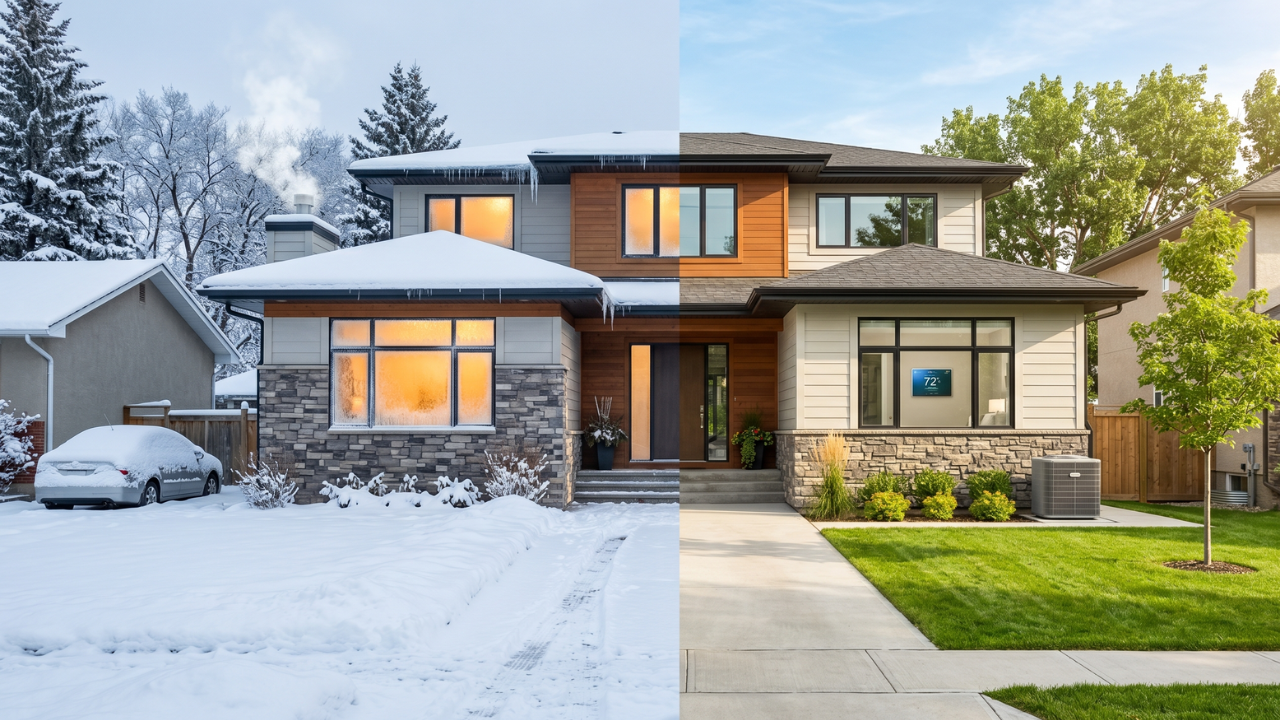
Smart home upgrades are no longer only luxury add-ons for high-end houses. They have become practical improvements that help homeowners create a more comfortable, efficient, and secure living space. From smart thermostats to automated lighting and better home security, the right technology can make daily routines easier while also improving the way a property feels to future buyers.
A smart upgrade is valuable when it solves a real household problem. It should improve comfort, reduce wasted energy, support safety, or make home management simpler. When these benefits work together, a home can feel more modern and attractive without needing a full renovation.
Start With a Smart Thermostat
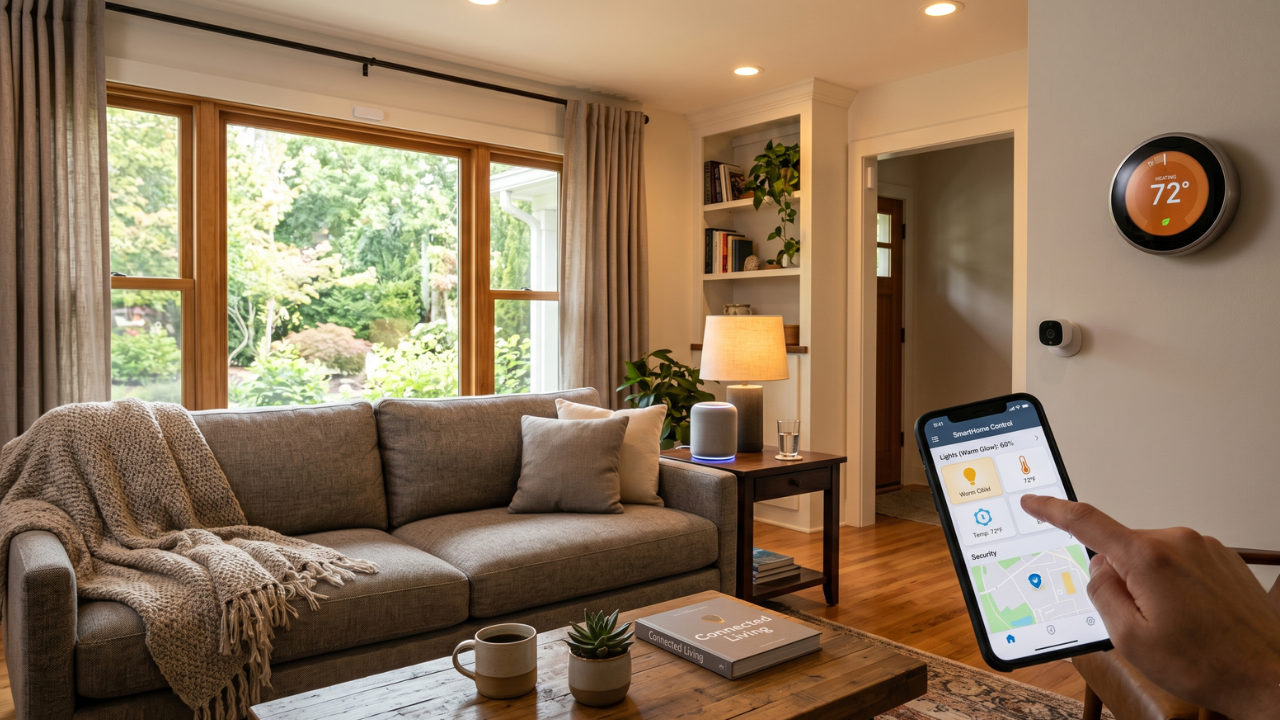
A smart thermostat is one of the easiest upgrades for improving comfort and energy control. It can learn household routines, adjust temperature settings automatically, and help avoid unnecessary heating or cooling when nobody is home.
This upgrade is especially useful because heating and cooling often represent a major part of household energy use. A smart thermostat can help maintain a stable indoor temperature while giving homeowners more control through a phone app or voice assistant.
Upgrade Heating and Cooling for Everyday Comfort
Comfort depends on more than a stylish interior. A home feels better when every room has consistent temperature, cleaner airflow, and an efficient system that does not struggle during hot or cold weather.
If your HVAC system is old, noisy, or uneven, a smart thermostat alone may not solve every comfort issue. Regular maintenance, filter changes, duct checks, and energy-efficient equipment can all improve how the home performs.
Modern heating and cooling improvements can support comfort and energy efficiency when they are matched to the size, layout, and needs of the home.
Add Smart Lighting for Mood, Safety, and Efficiency
Smart lighting improves comfort because it lets homeowners control brightness, schedules, and color temperature from a phone or voice command. Soft lighting can make living spaces feel warmer in the evening, while brighter task lighting can support work, cooking, and reading.
Smart lighting can also support home security. Scheduled lights can make a home look occupied when residents are away, and motion-activated lights can improve safety around entrances, hallways, and outdoor areas.
Improve Security With Smart Cameras, Locks, and Doorbells
Smart security upgrades give homeowners more control over who enters the property and what happens around the home. Video doorbells, smart locks, window sensors, and security cameras can send alerts directly to a smartphone.
These features are attractive because they provide convenience as well as peace of mind. A homeowner can unlock a door for a family member, check a delivery, or confirm that the garage is closed without being physically present.
Use Smart Plugs and Automation Hubs for Everyday Tasks
Smart plugs are affordable upgrades that make ordinary appliances easier to manage. They can turn lamps, fans, coffee makers, or small devices on and off through a schedule or app.
A home automation hub can connect multiple devices into one system. This helps create routines such as turning off lights, adjusting the thermostat, and locking doors at bedtime with one command.
Consider Energy-Efficient Appliances
Smart appliances can improve convenience, but energy-efficient appliances add another layer of long-term value. Refrigerators, dishwashers, washing machines, and water heaters that use less energy can reduce household operating costs.
When choosing appliances, homeowners should focus on practical features rather than technology for its own sake. The best upgrade is one that supports daily life, saves energy, and fits the way the household actually uses the space.
Homeowners often compare efficiency information from ENERGY STAR style guidance when deciding which products may fit their goals.
Add Smart Blinds and Window Controls
Smart blinds and shades can improve privacy, comfort, and temperature control. They can close during strong afternoon sun, open in the morning, and help reduce heat gain during warmer months.
This upgrade works especially well in rooms with large windows, home offices, bedrooms, and living rooms. It can also make the home feel more polished and modern without major construction work.
Install Leak Sensors and Smart Water Controls
Water damage can be expensive, so smart leak sensors are a practical upgrade for kitchens, bathrooms, laundry rooms, basements, and areas near water heaters. These devices can alert homeowners when moisture is detected.
Some smart water systems can also shut off water automatically when a leak is detected. This can protect the property and reduce the risk of serious damage when nobody is home.
Create a Strong Wi-Fi Foundation
Smart home devices depend on a reliable internet connection. Weak Wi-Fi can make cameras delay, apps disconnect, and automation routines fail. A mesh Wi-Fi system or properly placed router can make smart upgrades work more smoothly.
Before adding too many devices, homeowners should check signal strength in bedrooms, living rooms, outdoor areas, and entry points. A strong connection helps the entire smart home system feel faster and more dependable.
Choose Upgrades That Buyers Understand
Not every smart gadget adds the same value. Buyers are usually more impressed by upgrades that are easy to understand and useful every day. Smart thermostats, security systems, lighting, leak sensors, and efficient HVAC improvements are easier to explain than complicated systems that require a long setup process.
If resale value is part of the goal, choose upgrades that are simple, transferable, and easy for a future owner to operate. Clear instructions, clean installation, and compatible devices can make the home feel move-in ready.
A homeowner planning a larger comfort project may also compare provider options such as First Rate heating and cooling before choosing a service partner.
Quick Smart Home Upgrade Checklist
- Install a smart thermostat for better temperature control.
- Maintain HVAC systems before adding advanced automation.
- Use smart lighting for comfort, security, and energy control.
- Add smart locks, doorbells, and cameras for safer access.
- Use smart plugs for lamps, fans, and small appliances.
- Choose energy-efficient appliances when replacing old equipment.
- Add leak sensors near water heaters, bathrooms, and laundry areas.
- Improve Wi-Fi coverage before connecting multiple smart devices.
- Keep smart systems simple enough for future buyers to use.
Common Smart Home Upgrade Mistakes to Avoid
- Buying devices without checking compatibility: A smart home works best when devices connect smoothly. Before buying, check whether each device works with the same app, voice assistant, hub, or Wi-Fi standard.
- Ignoring privacy and account security: Use strong passwords, enable two-factor authentication when available, and keep device software updated. Smart convenience should not come at the cost of weak security.
- Installing too many complicated devices at once: Start with upgrades that solve the biggest comfort or safety problems. A simple system is easier to manage and easier for future buyers to appreciate.
- Forgetting about professional installation when needed: Some upgrades, especially thermostats, electrical devices, HVAC equipment, and security wiring, may require professional help for safe and correct installation.
FAQ: Smart Home Upgrades and Property Value
What smart home upgrade should I start with?
A smart thermostat is a strong first upgrade because it improves comfort, supports energy control, and is easy for most homeowners to understand.
Do smart home upgrades really increase property value?
Smart upgrades can improve perceived value when they make the home more comfortable, secure, efficient, and easier to manage. The actual value depends on the local market, installation quality, and buyer preferences.
Are smart thermostats worth it?
Smart thermostats can be worth it for many homes because they help manage temperature settings and may reduce wasted heating and cooling when used correctly.
Which smart home features do buyers like most?
Many buyers appreciate practical features such as smart thermostats, security cameras, video doorbells, smart locks, energy-efficient appliances, and reliable Wi-Fi coverage.
Are smart lights a good investment?
Smart lights can be a good investment when they improve comfort, reduce unnecessary usage, and add useful routines such as evening dimming, vacation schedules, or motion-activated entry lighting.
Should I upgrade my HVAC system before selling my home?
If the system is old, unreliable, inefficient, or uncomfortable, HVAC improvements may strengthen buyer confidence. A well-maintained system can also make the home feel more move-in ready.
Can smart home devices save energy?
Smart devices can help save energy when they are used to reduce waste, automate schedules, and match energy use to real household needs. Savings depend on the device, setup, climate, and usage habits.
What is the best budget smart home upgrade?
Smart plugs, smart bulbs, and basic leak sensors are usually affordable starting points. They can add convenience and practical protection without a major renovation.
Final Thoughts
Smart home upgrades are most valuable when they make a home more comfortable, easier to manage, safer, and more efficient. The goal is not to fill a house with gadgets. The goal is to choose technology that solves real problems and improves everyday living.
For homeowners who want to improve property value, the best upgrades are usually practical and visible. A smart thermostat, reliable security system, efficient lighting, leak detection, strong Wi-Fi, and well-maintained HVAC equipment can all help a home feel modern and move-in ready.
Need help deciding which smart home upgrade fits your property? Visit our Contact Us page to get started.