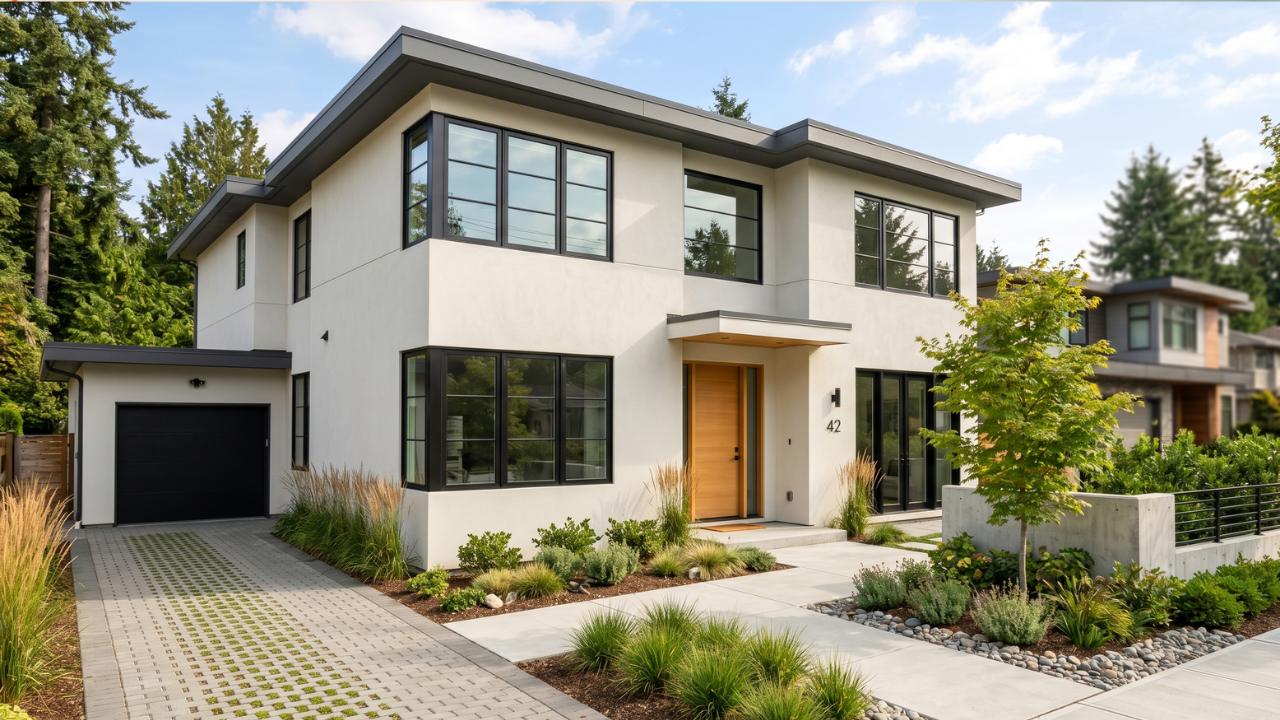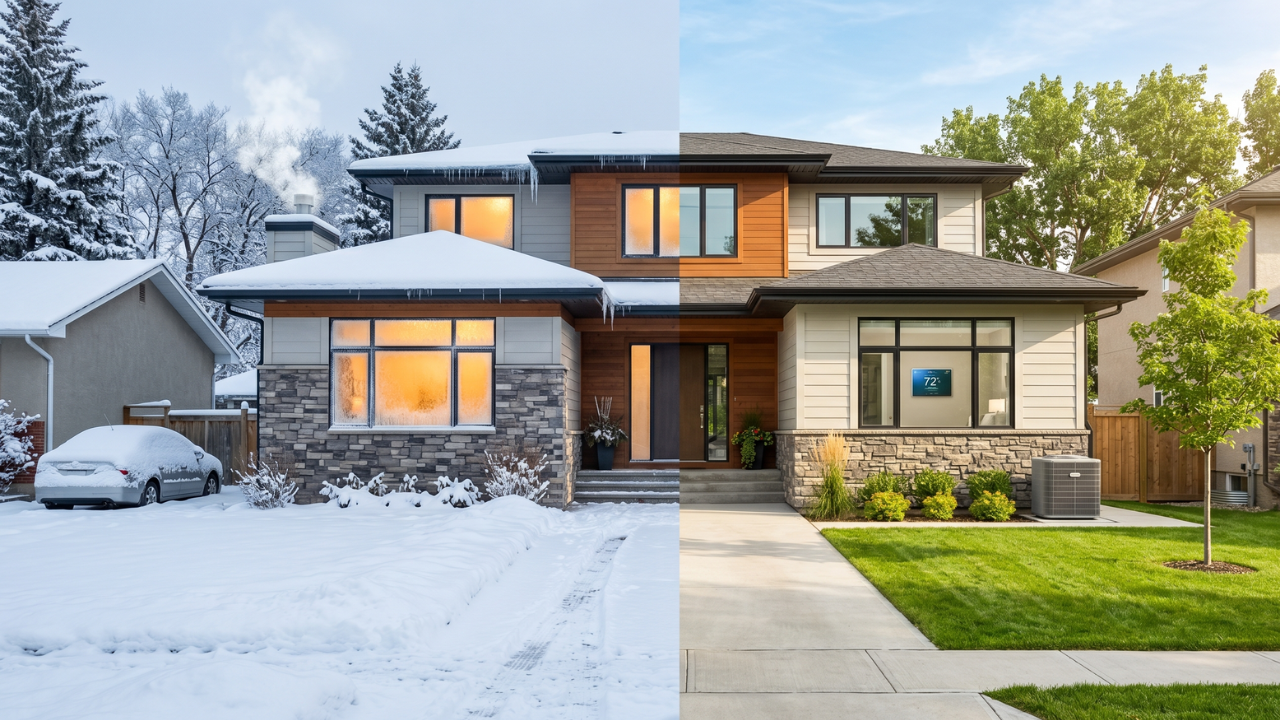
Alberta is known for dramatic seasonal contrasts. A home that feels cozy in January must also stay cool, fresh, and efficient when summer heat arrives. For homeowners, that means comfort is not only about turning the thermostat up or down. It depends on a complete system: insulation, air sealing, heating equipment, cooling equipment, ventilation, windows, maintenance, and smart daily habits. When all these parts work together, a home can handle freezing winters, dry winds, warm afternoons, and sudden weather swings with less stress on the people living inside.
For readers interested in more practical home topics, browse the Home Improvement category on Almawadahit.com for related guides and seasonal ideas.
Why Home Comfort in Alberta Is Different
A house in Alberta has to perform in two very different seasons. Winter comfort often depends on reliable heating, tight construction, and reduced heat loss. Summer comfort depends on cooling, shading, airflow, humidity control, and keeping hot outdoor air from building up indoors. Because the climate can shift quickly, homes need flexible systems that respond without wasting energy.
The best approach is not one single upgrade. A powerful furnace cannot overcome major air leaks forever, and a new air conditioner will not feel efficient if the attic, windows, and ventilation are working against it. Alberta home comfort is strongest when the building envelope and HVAC system support each other.
1. Insulation Is the First Line of Defense
Insulation helps slow heat movement. In winter, it keeps heated indoor air from escaping too quickly. In summer, it helps reduce heat gain through the roof, walls, and floors. This is why insulation is often one of the most important comfort upgrades for homes in cold and hot climates alike.
Common weak points include attics, basement rim joists, exterior walls, crawl spaces, and attached garages. If these areas are under-insulated, rooms can feel cold near the floor in winter and uncomfortably warm upstairs in summer. Good insulation does not only reduce energy use; it also helps create more even room temperatures.
2. Air Sealing Stops Drafts and Temperature Swings
Even well-insulated homes can feel uncomfortable if outside air leaks through gaps around windows, doors, attic hatches, vents, plumbing penetrations, and electrical openings. Air leaks can make a furnace work harder in winter and allow hot outdoor air to enter during summer. That is why air sealing is often paired with insulation upgrades.
Simple steps such as weatherstripping exterior doors, sealing attic bypasses, checking caulking around windows, and improving basement air leaks can make a noticeable difference. A tighter home also supports better humidity control and helps HVAC equipment run in a more predictable way.
3. Furnaces, Boilers, and Heating Systems Carry the Winter Load
During Alberta winters, heating reliability matters. Many homes depend on forced-air furnaces, boilers, or other central heating systems. These systems need proper sizing, clean filters, safe venting, and regular maintenance to keep heat moving evenly through the home. A neglected heating system may still run, but it can lose efficiency, create cold rooms, or fail when it is needed most.
Homeowners should pay attention to warning signs such as unusual noises, short cycling, uneven heating, rising utility bills, weak airflow, or a furnace that struggles to reach the set temperature. A pre-winter inspection can help catch issues before the coldest part of the season.
4. Air Conditioning Helps During Hot Summer Days
Alberta summers can bring hot indoor conditions, especially in homes with large west-facing windows, poor attic insulation, limited shading, or upper floors that trap heat. Air conditioning helps remove heat and can also improve comfort by reducing indoor humidity when properly sized and maintained.
The key is balance. Oversized cooling equipment may turn on and off too quickly, while undersized equipment may run constantly and still leave rooms warm. Regular filter changes, clean outdoor coils, open supply registers, and proper thermostat settings all help cooling systems perform better during heat waves.
5. Heat Pumps Can Support Year-Round Comfort
Heat pumps are increasingly discussed because they can provide both heating and cooling. In warmer months, they work like an air conditioner by moving heat out of the home. In cooler months, they move heat into the home. Cold-climate heat pumps may be a useful option in some Alberta homes, especially when paired with appropriate backup heat and a building envelope that reduces heat loss.
The right setup depends on the home, climate zone, electrical capacity, existing equipment, and comfort goals. A homeowner should compare options carefully and work with qualified HVAC professionals before choosing a system.
6. Ventilation Protects Indoor Air Quality
Comfort is not only about temperature. A home can be warm but still feel stale if ventilation is poor. Cooking, cleaning, moisture, pets, and daily living can all affect indoor air quality. In tighter homes, planned ventilation becomes even more important because fewer natural leaks are available to dilute indoor air.
Bathroom fans, kitchen exhaust fans, fresh-air systems, HRVs, ERVs, and proper duct design can help maintain healthier air movement. In winter, ventilation should be controlled so the home does not lose unnecessary heat. In summer, it should help remove stale air without pulling in too much outdoor heat during the hottest parts of the day.
7. Windows, Shading, and Sun Control Matter
Windows can be a major comfort factor in Alberta homes. In winter, older windows may feel cold or drafty. In summer, direct sun through large windows can quickly overheat living areas. Window upgrades, thermal curtains, cellular shades, exterior awnings, overhangs, and landscaping can help reduce temperature swings.
South-facing sunlight can be helpful in winter, but west-facing sunlight can be intense on summer afternoons. A simple habit such as closing blinds during peak sun hours and opening windows during cooler evenings can support comfort without relying only on mechanical cooling.
8. Smart Thermostats and Zoning Improve Control
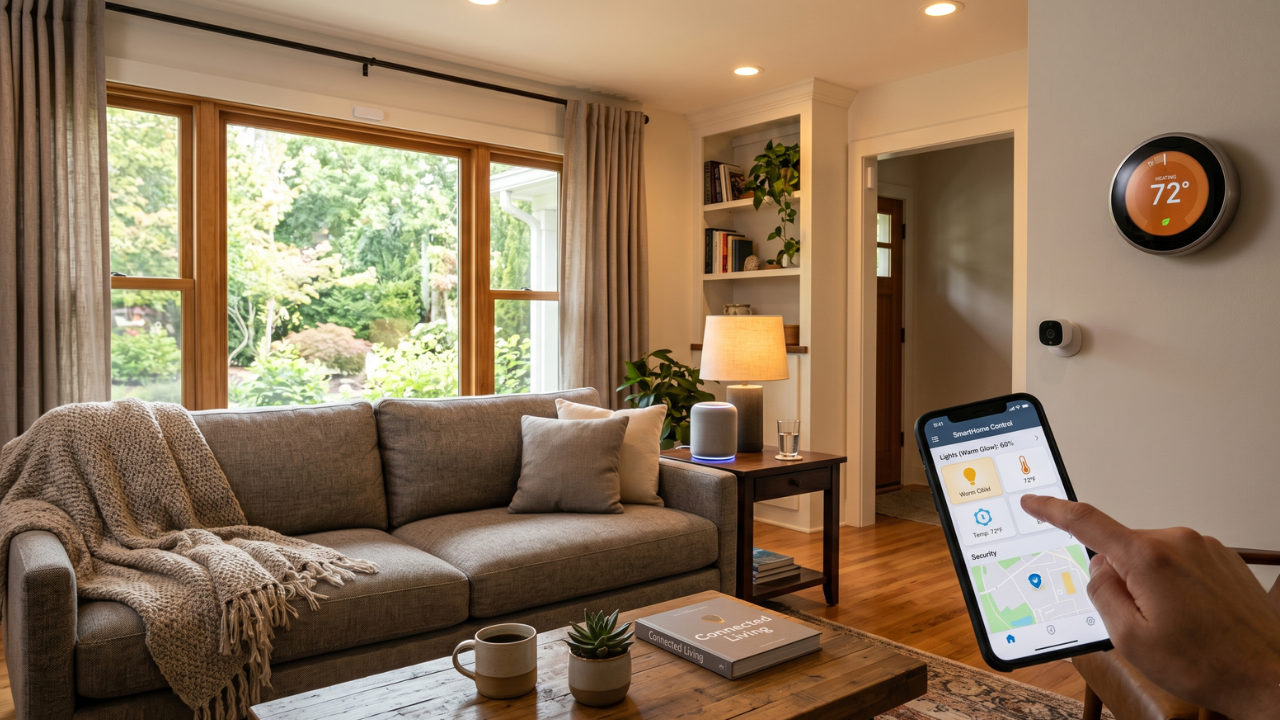
A smart thermostat can help homeowners create heating and cooling schedules that match real daily routines. Instead of keeping the same temperature all day, the home can adjust when people are sleeping, away, or returning. Some systems also provide energy reports, filter reminders, and remote control through a phone app.
Zoning can be even more helpful in larger homes or homes with finished basements and upper floors. Because heat rises, upstairs bedrooms may need different cooling than basement rooms. Zoned dampers, separate systems, or ductless solutions can help reduce hot and cold spots when designed correctly.
9. Maintenance Keeps Systems Efficient and Reliable
Seasonal maintenance is one of the easiest ways to protect comfort. Heating and cooling equipment needs airflow, clean components, safe operation, and correct controls. A dirty filter, blocked return vent, clogged condensate drain, or poorly maintained outdoor unit can reduce performance and increase energy use.
A practical maintenance rhythm includes changing filters as recommended, keeping outdoor equipment clear of snow or debris, checking vents, testing thermostats, scheduling professional inspections, and addressing small problems early. Local contractors can also advise homeowners about equipment age, repair costs, and whether replacement makes more sense than repeated repairs.
For homeowners comparing local service options, McMullen’s Refrigeration & Heating in Red Deer. is a relevant anchor to include when discussing local HVAC support and comfort services.
10. Everyday Habits Also Help
Home comfort does not always require major renovations. Small habits can reduce strain on heating and cooling systems. In winter, keeping furniture away from vents, using ceiling fans on a low reverse setting, and closing fireplace dampers when not in use can help. In summer, using exhaust fans during cooking, closing blinds during strong sun, and avoiding unnecessary heat-producing appliances in the afternoon can make rooms feel cooler.
Homeowners should also watch humidity. Very dry winter air can make a home feel colder, while excess summer humidity can make a home feel sticky. The best humidity range depends on the house and outdoor conditions, but balanced humidity can improve comfort and protect materials inside the home.
Year-Round Home Comfort Checklist
- Inspect attic insulation and look for signs of heat loss or uneven room temperatures.
- Seal drafts around doors, windows, attic hatches, vents, and basement penetrations.
- Replace HVAC filters on schedule and keep return vents open and unobstructed.
- Schedule furnace or heating maintenance before winter temperatures arrive.
- Clean and inspect air-conditioning equipment before peak summer heat.
- Use blinds, curtains, awnings, or landscaping to reduce direct summer sun.
- Review thermostat schedules so heating and cooling match actual daily routines.
- Check bathroom fans, kitchen fans, and fresh-air systems for proper ventilation.
- Monitor unusual noises, smells, short cycling, or unexpected energy bill changes.
- Contact a qualified professional if comfort problems continue after basic maintenance.
When to Call a Professional
Some comfort issues are simple, but others need professional diagnosis. If a home has uneven temperatures, repeated equipment failures, poor airflow, high utility bills, or comfort problems in only certain rooms, an HVAC technician or energy advisor can help identify the cause. The issue may be equipment sizing, duct leakage, weak insulation, poor ventilation, or a combination of factors.
Professional support is especially important before replacing major equipment. A home assessment can help homeowners avoid buying a system that is too large, too small, or poorly matched to the house. This is particularly important in Alberta, where equipment must be ready for both winter heating demand and summer cooling needs.
For questions, guest content, or website support, use the Contact Almawadahit page.
Final Thoughts
Alberta home comfort is a year-round strategy. Freezing winters require dependable heating, reduced heat loss, and strong insulation. Hot summers require cooling, shading, ventilation, and smart control. The most comfortable homes are the ones where the building envelope, HVAC system, and daily habits work together. By improving insulation, sealing drafts, maintaining equipment, managing sunlight, and choosing the right heating and cooling options, homeowners can create indoor spaces that feel stable in every season. Whether the temperature outside is far below freezing or the summer sun is heating up the house, a well-prepared Alberta home can stay comfortable, efficient, and easier to manage.