San Diego homeowners are paying closer attention to what protects their homes from heat, coastal moisture, wind, and wildfire exposure. For many years, asphalt shingles were the standard choice because they were familiar and usually affordable upfront. Today, however, more homeowners are comparing long-term performance instead of focusing only on the initial installation price. That shift is one reason standing seam metal roofs are becoming a serious alternative across San Diego neighborhoods.
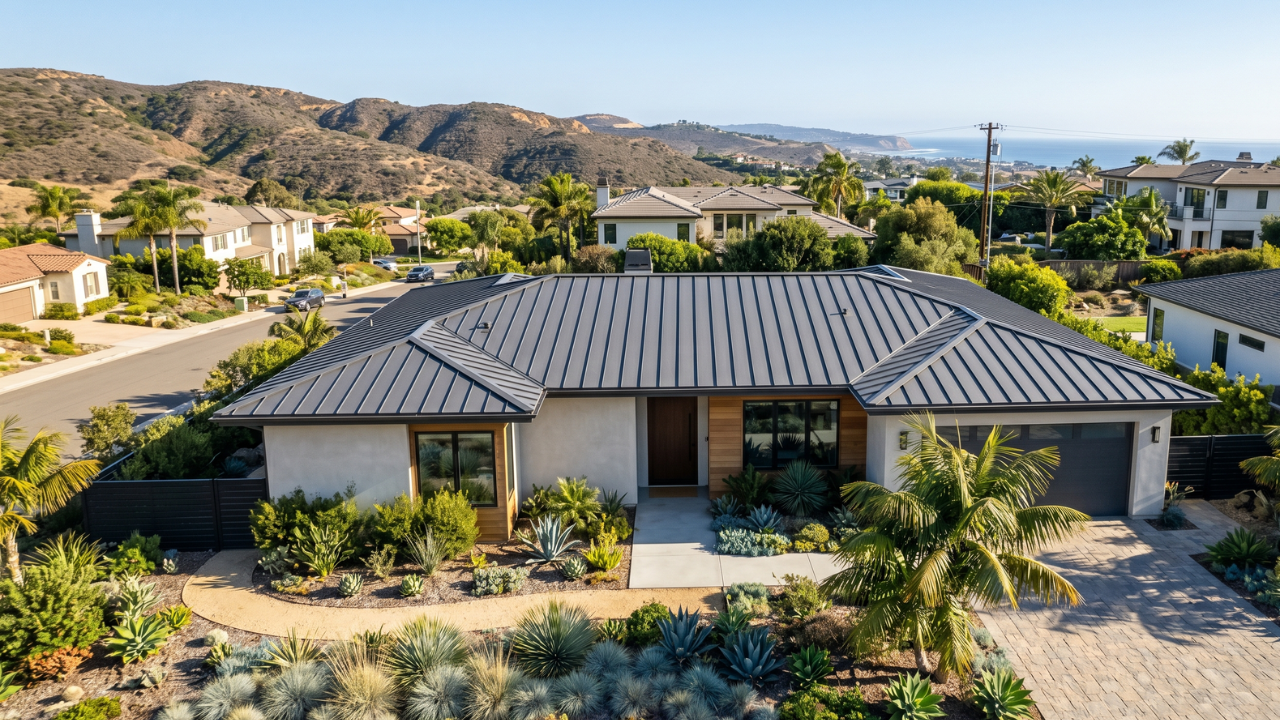
Standing seam metal roofing is known for its raised vertical seams, concealed fasteners, clean modern appearance, and durable metal panels. It looks different from traditional shingles, but its appeal is not only visual. In a region where sun exposure, coastal air, fire awareness, and rising maintenance costs all matter, metal roofing can offer practical advantages that shingles may struggle to match.
For more home-improvement ideas, readers can browse the Home Improvement category on Almawadahit.com.
Why the Roofing Conversation Is Changing in San Diego
A roof in San Diego has to do more than keep rain out. It must handle strong sunlight, temperature swings, occasional heavy storms, salt air near the coast, and the growing concern of wildfire exposure in canyon and hillside areas. Homeowners are also thinking about energy bills, insurance questions, resale value, and whether their exterior design still looks modern ten or twenty years from now.
Asphalt shingles can still be a practical option for many homes, but they are not always the strongest long-term fit for every property. Shingles can fade, curl, crack, lose granules, or become vulnerable during wind and heat cycles. When homeowners begin comparing lifecycle costs, energy performance, and durability, standing seam metal roofing often starts to look more attractive.
What Is a Standing Seam Metal Roof?
A standing seam metal roof uses long metal panels that run vertically from the ridge toward the eaves. The raised seams connect the panels and help direct water away from the roof surface. One major advantage is that most standing seam systems use concealed fasteners, meaning screws and clips are hidden below the panels instead of exposed to weather. This can reduce the risk of fastener-related wear over time.
The result is a roof that looks sleek and architectural while also offering practical weather resistance. Standing seam roofs are common on modern homes, coastal properties, custom builds, and remodels where homeowners want a cleaner profile than traditional shingles.
1. Fire Awareness Is a Major Factor
Wildfire risk is a serious issue in Southern California. San Diego includes areas where local and state agencies classify land based on fire hazard severity. Homeowners who live near canyons, brush, open space, or hillside communities may pay close attention to roofing materials because wind-driven embers can be a key danger during wildfire events.
This is where standing seam metal roofing gets attention. Many metal roofing assemblies can be rated for strong fire performance when installed with the right underlayment and approved assembly components. Homeowners should not assume that the metal panel alone makes the entire roof system compliant; the full roof assembly, local building rules, ventilation details, and installation method all matter.
Before replacing a roof, homeowners can review whether their property is in a Fire Hazard Severity Zone on the CAL FIRE map. They should also confirm requirements with the City of San Diego, their contractor, and local building authorities.
2. Better Heat Reflection Can Support Energy Efficiency
San Diego has a mild climate compared with many parts of the country, but roof heat still matters. A dark roof surface can absorb significant solar energy during hot afternoons, increasing attic temperatures and adding strain to cooling systems. Cool roof guidance from energy agencies explains that reflective roofing materials and coatings can reduce roof surface temperatures and lower heat transfer into a building.
Standing seam metal roofs are often available with reflective finishes and cool-roof coatings. These finishes can help the roof reflect more sunlight than some traditional dark shingles. While actual savings depend on insulation, ventilation, home orientation, attic condition, roof color, and HVAC efficiency, energy performance is a major reason many homeowners compare metal roofing with asphalt shingles.
3. Coastal Durability Matters
Coastal and near-coastal homes face a different set of maintenance problems. Salt air, moisture, and marine-layer conditions can accelerate wear on some exterior materials. A standing seam metal roof installed with proper material selection, protective coatings, and compatible fasteners can offer strong performance in coastal environments.
This does not mean every metal roof is automatically ideal for every beach-area home. Material selection matters. Aluminum, coated steel, panel thickness, paint system, underlayment, flashing details, and installer experience all play a role. Homeowners near the coast should ask about corrosion resistance, finish warranties, and whether the proposed system is suitable for their distance from the ocean.
4. Standing Seam Roofs Offer a Cleaner Modern Look
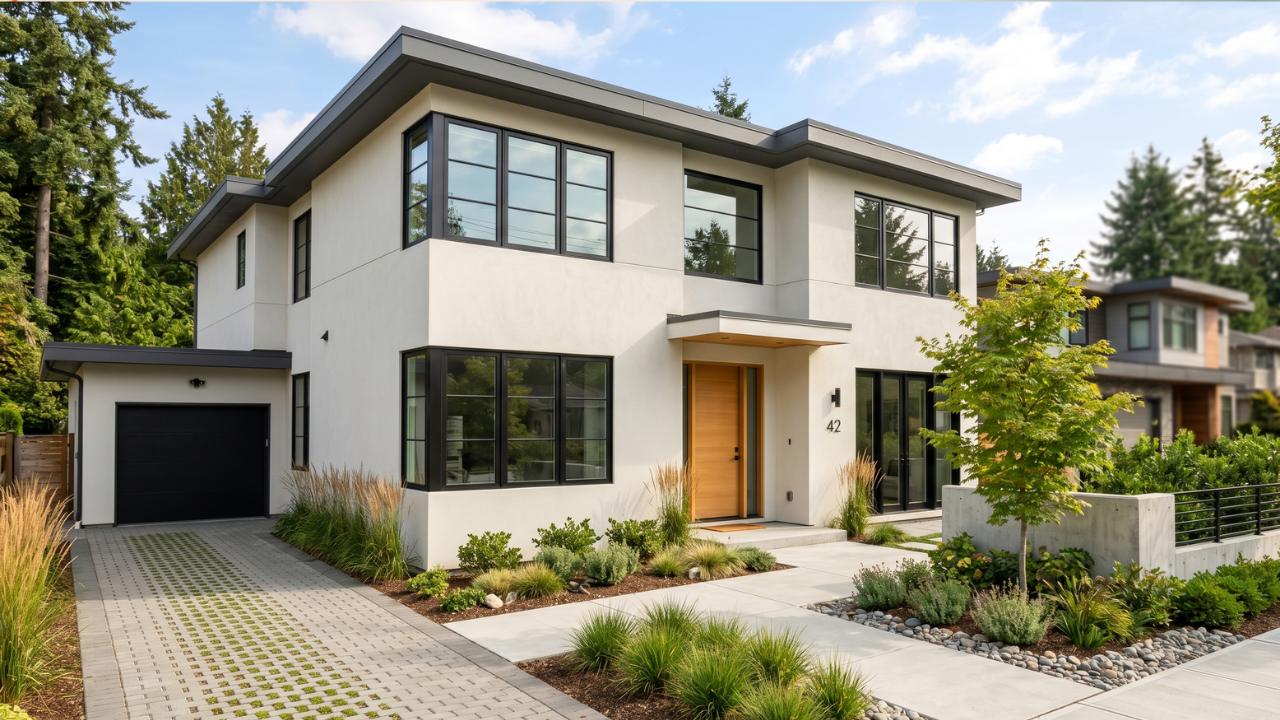
Design is another reason homeowners are moving away from shingles. Many San Diego homes are being remodeled with modern, coastal, Spanish-modern, contemporary, or minimalist exterior styles. Standing seam metal roofing fits those designs because it creates long, clean lines instead of the layered pattern of shingles.
A metal roof can also pair well with stucco exteriors, wood accents, large windows, and drought-tolerant landscaping. For homeowners planning a major exterior renovation, the roof becomes part of the home’s design identity rather than just a protective cover.
5. Long-Term Value Can Outweigh Upfront Cost
Standing seam metal roofs often cost more upfront than asphalt shingles. That is one of the biggest reasons homeowners hesitate. However, the full decision should consider maintenance, expected service life, replacement frequency, energy performance, potential resale appeal, and the quality of installation.
A cheaper roof can become expensive if it needs frequent repairs or earlier replacement. A premium roof can make sense when the homeowner plans to stay in the property for many years, wants a modern exterior upgrade, or needs stronger performance in challenging local conditions. The best choice depends on budget, roof complexity, neighborhood requirements, and long-term plans.
6. Less Exposed Hardware Can Mean Fewer Weak Points
One of the defining features of standing seam roofing is the concealed-fastener design. Exposed fasteners on some roofing systems can become potential leak points as weather and thermal movement affect them over time. Standing seam systems hide many of these attachment points below the panels, helping create a cleaner and more protected surface.
This advantage depends heavily on professional installation. Roof slope, flashing transitions, penetrations, skylights, solar attachments, ventilation, and drainage details must be handled correctly. A standing seam roof is not a simple cosmetic upgrade; it is a precision roofing system that benefits from experienced installers.
7. Solar Compatibility Can Be a Bonus
Many San Diego homeowners also think about solar panels. A standing seam metal roof can be attractive for solar planning because some mounting systems can attach to the seams without penetrating the roof surface, depending on the roof design and product system. This can help reduce the number of roof penetrations compared with some other mounting methods.
Before installing solar, homeowners should coordinate roofing and solar decisions together. It is often better to replace an aging roof before adding solar panels rather than paying to remove and reinstall panels later. A durable roof under a solar array can reduce future disruption.
8. Shingles Still Have a Place, But They Are Not Always the Best Fit
Asphalt shingles remain popular because they are widely available, familiar to contractors, and often more affordable at the time of installation. For some homes, they may still be the right option. However, homeowners who want a longer-term roofing solution often compare shingles against materials that better match local climate and design expectations.
The decision is not about saying every shingle roof is bad. It is about understanding why more San Diego homeowners are asking better questions: How long will this roof last? How will it perform in heat? What happens during ember exposure? Will it handle coastal air? Will it still look good after years of sun?
Questions to Ask Before Switching to Standing Seam Metal Roofing
- Is my home located in a wildfire-prone or very high fire hazard area?
- Which metal type and coating are best for my neighborhood and distance from the coast?
- Is the full roof assembly tested or rated for the fire performance I need?
- Will the roof meet local building codes, HOA requirements, and design standards?
- How will the contractor handle flashing, roof penetrations, valleys, skylights, and ventilation?
- Is the roof compatible with future solar installation?
- What warranties apply to materials, finish, workmanship, and installation?
- How does the full lifecycle cost compare with asphalt shingles?
Why Contractor Experience Matters
Standing seam roofing requires accurate measuring, proper panel handling, correct seam locking, careful flashing, and attention to thermal movement. A poor installation can reduce the benefits that make metal roofing attractive in the first place. For San Diego homeowners, it is wise to compare contractors based on experience with coastal conditions, standing seam systems, permitting, and local building requirements.
Homeowners researching contractors may also come across resources such as www.sw-metalroofing.com. When evaluating any roofing company, look for clear project photos, material details, warranty information, license status, insurance, and a transparent inspection process.
How This Upgrade Supports Curb Appeal and Resale Value
A roof is one of the largest visible surfaces on a home. When it looks outdated, the entire exterior can feel older. Standing seam metal roofing gives a property a crisp, modern profile that can improve curb appeal, especially when paired with updated paint, landscaping, windows, and exterior lighting.
For resale, buyers may appreciate a roof that appears durable, low-maintenance, and energy-conscious. While resale value depends on market conditions and property details, a high-quality roof can reduce buyer concerns about near-term repairs. It can also help a listing stand out in neighborhoods where many homes still have older shingle roofs.
Maintenance Tips for Standing Seam Metal Roofs
- Keep gutters and downspouts clear so water can drain properly.
- Remove debris from valleys and roof edges without scratching the coating.
- Schedule periodic inspections after major wind, rain, or wildfire smoke events.
- Check sealants, flashings, and penetrations as recommended by the installer.
- Avoid walking on the roof unless necessary and follow manufacturer guidelines.
- Trim nearby branches to reduce debris buildup and physical contact with panels.
Readers interested in broader home-maintenance topics can also explore the Almawadahit.com home page or contact the editorial team through the Contact Almawadahit page.
Final Thoughts
San Diego homeowners are not simply following a design trend. They are responding to real concerns: wildfire awareness, heat, coastal exposure, long-term maintenance, and modern curb appeal. Standing seam metal roofing addresses many of those priorities with a strong combination of performance and style.
Shingles may still make sense for some budgets and homes, but standing seam metal roofs offer a compelling alternative for homeowners who want durability, energy-conscious design, fire-aware materials, and a clean architectural look. Before making the switch, the smartest move is to compare roof assemblies, local code requirements, contractor experience, and long-term cost instead of judging by installation price alone.
For many San Diego properties, that bigger-picture view explains why standing seam metal roofing is moving from a niche upgrade to a preferred choice for modern, resilient homes.