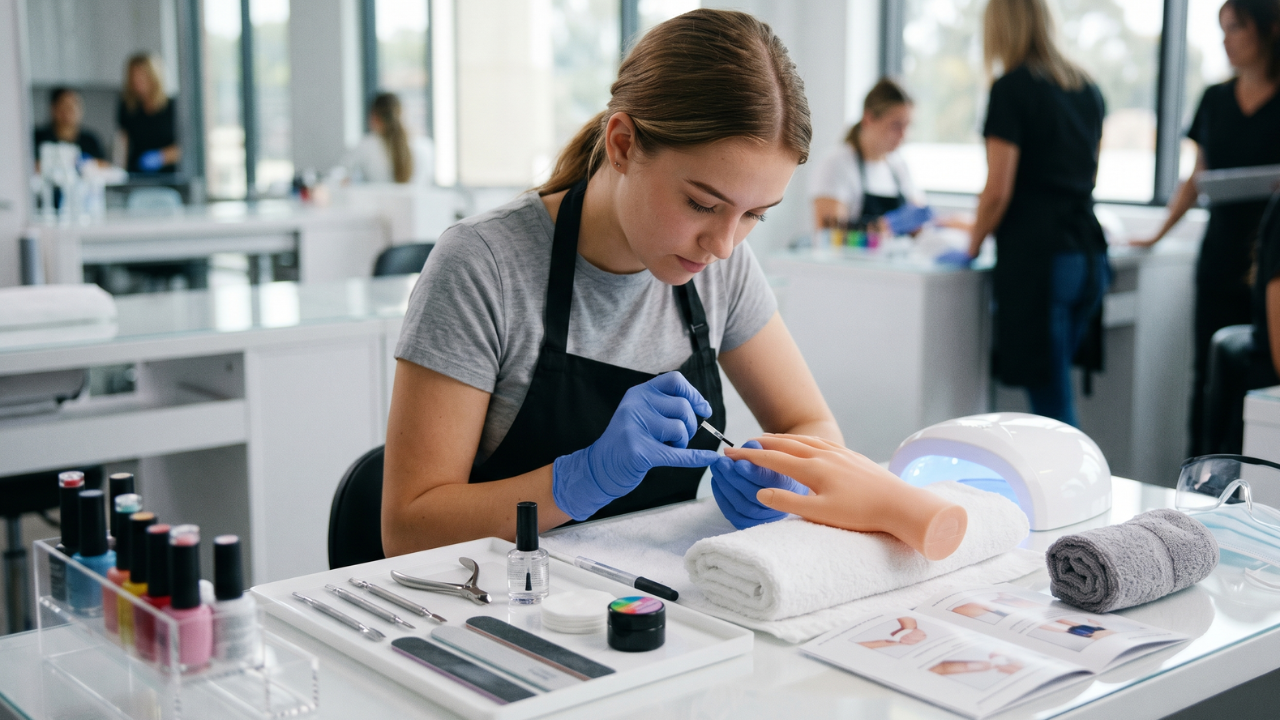
A nail technician career can be a creative, flexible, and rewarding path for people who enjoy beauty, detail work, and client service. Modern nail professionals do much more than paint nails. They shape, clean, polish, design, repair, and enhance nails while helping clients feel confident and well-groomed. For readers exploring beauty careers, Almawadahit.com can be a helpful place to discover lifestyle, fashion, and career-focused articles in one place.
Becoming a nail technician usually involves formal training, hands-on practice, sanitation knowledge, and licensing through the relevant state or local authority. The exact rules vary by location, but the overall journey is similar: learn the technical skills, complete an approved program, pass the required exam if applicable, and start building professional experience.
The first practical step is choosing a reputable nail technician course. A good course should teach both artistry and safety, because clients expect beautiful results and hygienic service every time.
What Does a Nail Technician Do?
A nail technician, sometimes called a manicurist or pedicurist, focuses on the care and beautification of fingernails and toenails. Daily work may include manicures, pedicures, nail shaping, cuticle care, gel polish application, acrylic or dip enhancements, nail art, product removal, sanitation, and aftercare advice.
The role also includes client communication. A professional nail technician listens to what the client wants, explains service options, recommends suitable styles, and works carefully to avoid discomfort or damage. In many salons, nail technicians also manage appointments, maintain supplies, sell aftercare products, and keep their workstation clean between services.
Step 1: Understand Local Licensing Requirements
Before enrolling in a program, check the official licensing requirements in your area. In many places, nail technicians must complete a state-approved nail technology or cosmetology program and pass a written or practical exam. Some jurisdictions also set minimum age, education, renewal, and continuing education requirements.
This step matters because beauty licensing rules are not the same everywhere. Training hours, exam formats, fees, and renewal cycles can differ significantly. If you plan to move to another state or country later, ask whether your license may transfer through reciprocity or whether you would need extra training.
Step 2: Choose the Right Training Program
A strong nail technician program should combine classroom learning with supervised hands-on practice. Students typically study nail anatomy, nail diseases and disorders, sanitation, infection control, product chemistry, manicure and pedicure techniques, artificial nail systems, gel services, nail art, client consultation, and salon business basics.
When comparing schools, look beyond tuition alone. Ask whether the program is approved by the relevant licensing authority, how many practical hours are included, what products and tools are used, whether exam preparation is provided, and whether graduates receive career support. A lower-cost program may not be a good value if it does not prepare students for licensing or real salon work.
Step 3: Build Essential Technical Skills
Technical ability is the foundation of a nail career. New students should focus on clean filing, balanced nail shaping, smooth polish application, safe cuticle work, proper product application, and careful removal techniques. Speed is useful, but accuracy and safety come first.
Nail art is also a valuable skill, especially for technicians who want to stand out online. However, advanced designs should be built on strong fundamentals. A client is more likely to return for nails that look beautiful, feel comfortable, and last well without lifting, cracking, or damage.
For inspiration on style-focused topics, you can also browse fashion guides and related beauty content.
Step 4: Learn Salon Hygiene and Safety
Sanitation is not optional in nail care. Nail technicians work closely with skin, nails, tools, dust, and chemical products. Proper disinfection, clean towels, single-use items when required, gloves when appropriate, ventilation, and safe storage of products help protect both the client and the technician.
Students should also learn how to recognize when a service should be refused or referred. For example, visible infection, severe irritation, open wounds, or unusual nail changes may require medical attention rather than a cosmetic service. A responsible nail technician does not diagnose conditions but knows when to recommend that a client seek professional health advice.
Because nail work can involve repetitive motions and long periods of sitting, ergonomics are important too. Adjustable chairs, good lighting, short breaks, proper posture, and a well-organized station can help reduce strain. Readers interested in broader wellness topics can visit health and wellness articles on Almawadahit.com.
Step 5: Develop Client Service and Communication Skills
The best nail technicians are not only skilled artists; they are also excellent communicators. Client service begins with a clear consultation. Ask about the client’s lifestyle, preferred nail length, work requirements, allergies or sensitivities, past issues with products, and desired maintenance schedule.
Good communication prevents misunderstandings. For example, a client who works with their hands may need a shorter, more durable style. Someone preparing for a wedding or event may want a more detailed design. A technician who asks the right questions can recommend better options and create a more satisfying experience.
Step 6: Practice Consistently and Build a Portfolio
Practice is where confidence grows. During training, students should practice on mannequin hands, classmates, friends, and supervised clients whenever allowed. Take clear photos of finished work, track what products were used, and write notes about what improved and what needs more practice.
A simple portfolio can help new technicians find jobs, attract clients, and show their style. Include classic manicures, clean French tips, short natural looks, gel polish, extensions, seasonal nail art, and before-and-after examples when appropriate. Make sure photos are well lit, tidy, and consistent.
Step 7: Pass the Exam and Apply for a License
After completing the required training, many students must pass a licensing exam. Exams may test sanitation, safety, nail anatomy, product knowledge, state rules, and practical technique. Preparation should include reviewing official materials, practicing timed services, and understanding how tools and products must be displayed and disinfected during the exam.
Once licensed, keep copies of your license, renewal dates, continuing education records, insurance documents, and any local business permits. If you plan to work independently, rent a booth, offer mobile services, or open a salon, additional permits or insurance may be required.
Career Paths for Nail Technicians
A nail technician license can lead to several career paths. Some professionals prefer the structure of a salon, while others want independence, specialized services, or business ownership. Common options include:
- Salon employee: Work in an established salon, build experience, and learn from senior professionals.
- Spa technician: Provide manicures and pedicures in a wellness or luxury spa setting.
- Booth renter or independent contractor: Manage your own clients, schedule, and supplies inside a salon.
- Mobile nail technician: Travel to clients for private appointments, events, or special occasions where permitted.
- Nail artist: Specialize in creative designs, detailed art, bridal nails, seasonal sets, or social-media-friendly looks.
- Salon owner: Build a brand, hire staff, manage operations, and create a full-service beauty business.
- Educator or product representative: Teach students, train salon teams, or represent nail brands and products.
How Long Does It Take to Become a Nail Technician?
The timeline depends on your location, program schedule, and licensing process. Some full-time programs may take only a few months, while part-time study can take longer. After training, students may need extra time for exam scheduling, application processing, and job searching.
The fastest path is not always the best path. A student who rushes through training but lacks confidence may struggle with real clients. A better goal is to graduate with strong technical habits, safe sanitation routines, and a professional attitude.
Common Mistakes New Nail Technicians Should Avoid
Many beginners make the same mistakes. Avoiding them early can save time, money, and stress.
- Choosing a school without checking licensing approval.
- Focusing only on nail art before mastering basic structure and sanitation.
- Ignoring ventilation, gloves, posture, and chemical safety.
- Underpricing services without calculating time, product costs, and overhead.
- Skipping client consultations and aftercare instructions.
- Failing to photograph work and build a professional portfolio.
- Letting license renewals, insurance, or business paperwork expire.
Tips for Building a Successful Nail Career
A successful nail career grows through consistency. Keep learning new techniques, but do not neglect the basics. Clean work, reliable timing, friendly communication, and safe service matter more than trends alone. Clients return when they trust your professionalism.
Marketing also matters. Create a simple online presence, post clear photos, encourage reviews, and explain your services in plain language. If you specialize in gel extensions, natural nails, structured manicures, nail art, or pedicures, make that clear so the right clients can find you.
Networking with stylists, makeup artists, photographers, bridal planners, and salon owners can also create opportunities. Beauty careers often grow through referrals, so every appointment is a chance to earn trust.
Final Thoughts
Learning how to become a nail technician starts with understanding the profession, choosing approved training, practicing consistently, and following licensing rules. The career requires creativity, patience, hygiene awareness, client service, and business discipline.
For the right person, nail technology can offer a flexible route into the beauty industry with room to grow. Whether your goal is salon employment, mobile services, nail art specialization, or salon ownership, the foundation is the same: quality training, safe habits, and a commitment to improving your craft. For questions, collaborations, or article suggestions, readers can Contact Almawadahit directly through the website.