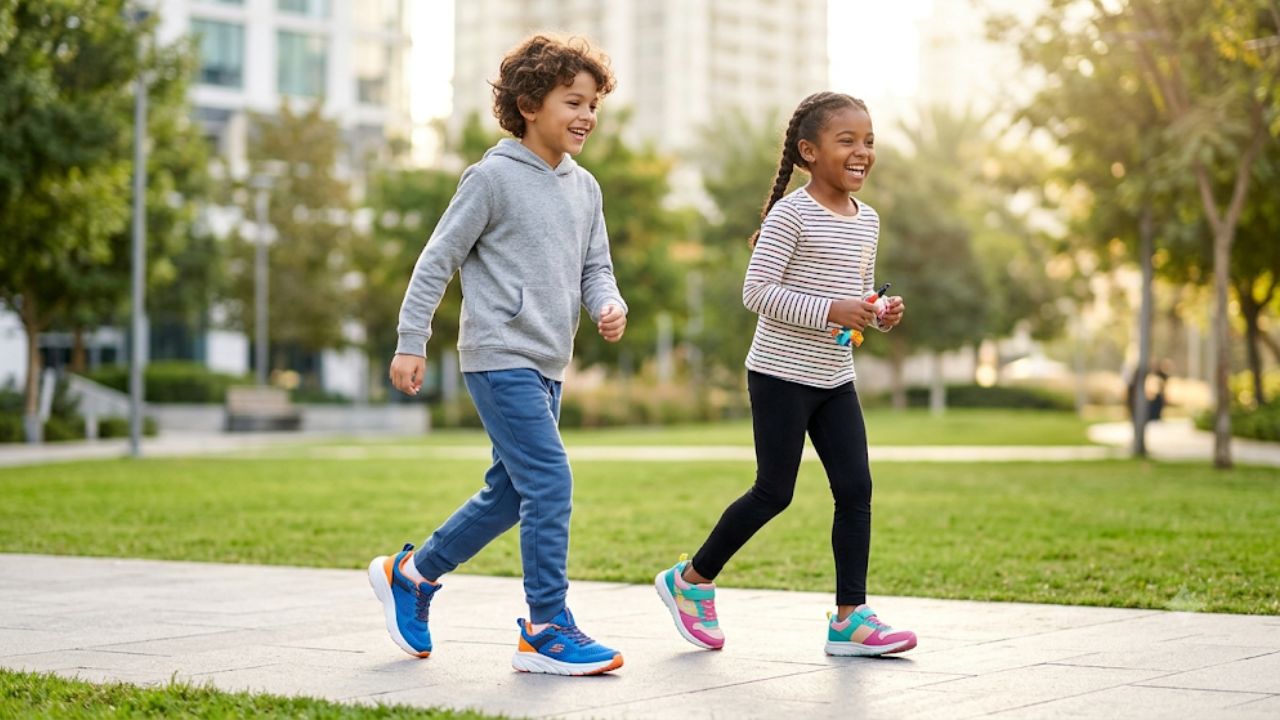
Children spend much of their day moving through school, play, activities, and family outings. Because one pair may be worn for several hours, parents increasingly want footwear that offers comfort without sacrificing style. This has helped lifestyle shoes for kids become a leading everyday choice.
Lifestyle shoes sit between sports footwear and casual fashion. They often borrow the cushioned feel and supportive shape of athletic sneakers while using colors, materials, and designs that work with everyday outfits. This makes them suitable for school, travel, shopping, playdates, and relaxed weekend plans.
Their popularity is not based on appearance alone. Parents want practical footwear that is easy to wear, durable, and suitable for busy routines. Children usually care about colors, recognizable designs, and how the shoes look with their clothes. Lifestyle footwear brings these priorities together.
What Are Lifestyle Shoes for Kids?
Lifestyle shoes are casual shoes made primarily for general daily use rather than specialized sports performance. They may resemble running, basketball, tennis, or skate shoes, but they are designed to work across a variety of ordinary situations.
Common features include cushioned insoles, padded collars, flexible outsoles, breathable panels, supportive uppers, and easy fastening systems. Some pairs use traditional laces, while others include elastic laces, straps, toggles, zips, or slip-on structures.
Parents can choose neutral sneakers for school, colorful weekend designs, or sport-inspired pairs. This versatility allows one dependable pair to cover several casual occasions.
Why All-Day Comfort Matters
Children may not always explain footwear discomfort clearly. A shoe might pinch the toes, rub the heel, feel too warm, or slide during walking, yet the child may continue wearing it. Small fit problems can become more noticeable after several hours of movement.
Comfortable footwear allows children to focus on learning, play, and social activities instead of thinking about sore feet. A good everyday shoe should feel secure without being tight. It should provide enough room for natural toe movement and allow the foot to bend comfortably while walking.
School days make these qualities especially important. A child may wear the same pair from early morning until late afternoon while moving across hard floors, playground areas, stairs, and pavements. Shoes that feel fine during a brief fitting may not remain comfortable throughout the entire day, so parents should assess fit and construction carefully.
Why Lifestyle Shoes Are Becoming More Popular
They Combine Style and Practicality
Children often want shoes that look modern, colorful, or similar to styles worn by older siblings and adults. Parents are usually more concerned with fit, value, and durability. Lifestyle shoes can satisfy both preferences.
A child may also be more willing to wear a pair regularly when they have helped select the color or design. Options such as kids jordan spizike demonstrate how sneaker-inspired styles are offered in versions for different childhood age groups.
They Match Different Outfits
Lifestyle shoes can be worn with jeans, joggers, shorts, leggings, casual dresses, and school-friendly clothing. Neutral shades such as black, white, grey, navy, and beige offer maximum flexibility. Bright colors or patterned designs can add personality to simple outfits.
This adaptability helps families build a practical wardrobe with one pair for school, travel, visits, and weekend activities.
They Fit Busy Family Schedules
Many families move between several places in one day. A child may leave school, join a casual class, eat out, and visit relatives without returning home to change. Versatile footwear reduces the need to carry additional pairs.
Lifestyle shoes are designed to look presentable in casual social settings while remaining comfortable enough for ordinary walking and light play. This makes them convenient for both planned activities and unexpected changes in the day.
Easy Closures Encourage Independence
Young children may struggle with traditional laces. Hook-and-loop straps, elastic laces, pull tabs, slip-on designs, and toggles can make shoes easier to put on and remove.
Easy fastening helps during rushed mornings and gives children an opportunity to manage part of their routine independently. The closure should still hold the foot securely and should not loosen repeatedly during movement.
Key Features Parents Should Check
Correct Fit and Toe Room
Fit is the most important factor. The toes should not touch the front or feel compressed from the sides. However, the shoe should not be so large that the foot slides with each step.
Both feet should be measured because one may be slightly larger. Let the child try both shoes with the socks they normally wear. Ask them to walk, turn, and take a few quicker steps before making a decision.
Flexible, Supportive Sole
The sole should generally flex near the forefoot, where the foot bends naturally. A shoe that is extremely stiff may restrict movement, while one that folds easily through the middle may not provide enough structure for everyday walking.
The outsole should also have a textured pattern for reliable grip on school floors, pavements, and playground surfaces. Worn-down tread is a sign that a pair may need replacing.
Cushioning and Stability
Soft insoles and midsoles can make walking on hard surfaces more comfortable. Padded heel areas and collars may also reduce rubbing. However, excessive softness is not always ideal. The foot should not sink or move around inside the shoe.
A balanced design provides cushioning while helping the heel remain stable. Children should be able to walk naturally without feeling that the shoe is heavy, loose, or uneven.
Breathable Materials
Feet can become warm during long school days and active play. Mesh panels, textile uppers, perforations, and breathable linings may improve airflow.
In warm climates, ventilation can be particularly valuable. Families should still consider weather conditions, as highly breathable shoes may not protect well during heavy rain.
Lightweight Construction
Heavy footwear can feel tiring after hours of walking. A lightweight pair is usually easier for children to move in, especially when climbing stairs or playing casually.
Look for secure stitching, a dependable outsole, a stable heel, and materials suited to the child’s routine.
Style, Choice, and Independence
Shoes are among the first everyday items children may want to choose for themselves. Parents can make shopping easier by selecting two or three suitable options and allowing the child to choose a preferred color or design.
This approach gives the child a sense of control while keeping practical limits around price, fit, school rules, and materials. Clothing and footwear cannot create self-esteem on their own, but positive communication and age-appropriate choices can contribute to confidence in young children.
The goal is to balance personal expression with comfort and sensible buying decisions.
How to Choose the Right Pair
Begin by considering the main purpose. A school shoe may need a simple color, durable sole, and secure closure. A travel shoe may need to be lightweight and easy to remove. A weekend pair may allow brighter colors or more expressive details.
Do not rely only on the size printed on the box. Sizing and width can vary between brands and even between designs from the same brand. Measure the child’s feet regularly and test each pair individually.
During the fitting, ask specific questions:
- Do your toes feel squeezed?
- Does your heel move up and down?
- Is anything rubbing?
- Does one shoe feel different from the other?
Specific questions are more useful than simply asking whether the shoes feel good. Parents should also run a hand around the interior to check for rough seams, hard edges, or an uneven insole.
Children with recurring foot pain, unusual walking patterns, or medical concerns may need advice from a qualified health professional rather than general footwear guidance.
Common Mistakes to Avoid
One common mistake is buying shoes that are far too large so the child can grow into them. A small amount of growth space is sensible, but too much room can cause slipping and unstable movement.
Another mistake is choosing a pair only because it is fashionable or expensive. A recognizable design does not guarantee the correct shape for every child. Fit, comfort, construction, and intended use matter more than price or popularity.
Parents should also avoid assuming that lifestyle shoes can replace specialist footwear for every activity. Organized running, football, hiking, court sports, and other demanding activities may require shoes designed for specific movements and surfaces.
Finally, do not wait for the child to complain. Check fit, outsole wear, stitching, closures, and the inside of the shoe regularly. Children may adapt to discomfort or may not describe it clearly.
Caring for Kids’ Lifestyle Shoes
Simple care can help shoes stay comfortable and presentable for longer. Remove loose dirt with a soft brush and follow the manufacturer’s cleaning instructions for the material. Avoid soaking shoes unless the care guidance allows it.
Let damp footwear dry naturally in a ventilated place rather than placing it directly against strong heat. Rotate pairs when possible so each pair has time to air out. Socks should be changed daily, and removable insoles can be aired separately.
Replace shoes when they become too small, lose traction, develop uneven wear, or no longer hold the foot securely. The upper may still look acceptable even when the sole or internal cushioning has deteriorated.
Are Lifestyle Shoes Suitable for Every Activity?
Lifestyle shoes are a strong option for everyday walking, school, outings, travel, and light play. However, they are not automatically suitable for competitive or high-impact sports.
A casual sneaker may be comfortable on the way to a sports lesson but may not provide the grip, side-to-side stability, or technical support required during the activity. Parents should follow recommendations from the school, coach, or activity provider when specialist footwear is required.
Weather also matters. Breathable fabric shoes may be excellent in warm conditions but unsuitable for deep puddles, snow, or prolonged rain. A small footwear rotation based on real needs is often more practical than expecting one pair to perform in every environment.
The Future of Everyday Footwear for Children
The demand for lifestyle shoes for kids is likely to remain strong because the category reflects modern family life. Parents want products that can handle changing schedules, while children enjoy designs that express their personality.
Future designs may emphasize lightweight cushioning, easy fastening, durability, simple cleaning, and more responsible materials.
Readers can find more accessible lifestyle and trend-focused content on almawadahit.com, covering topics relevant to everyday interests and changing consumer choices.
Frequently Asked Questions
Can Kids Wear Lifestyle Shoes All Day?
Yes, provided the shoes fit correctly, feel comfortable, allow natural movement, and suit the activities planned for the day. Parents should check for rubbing, pressure, overheating, heel slipping, and signs that the child has outgrown the pair.
Are Lifestyle Shoes Good for School?
They can be suitable when they meet the school’s dress requirements and offer a secure fit, dependable traction, comfortable cushioning, and durable construction. A simple color may be more practical for uniforms or formal school policies.
Are Expensive Lifestyle Shoes Always Better?
No. Price may reflect branding, materials, or design, but it does not guarantee the best fit. The right pair is one that matches the child’s foot shape, routine, and comfort needs.
Final Thoughts
Lifestyle shoes for kids have become popular because they combine everyday comfort, practical construction, and modern style. A carefully chosen pair can move from school to family outings, casual activities, and weekend plans without requiring frequent footwear changes.
Parents should prioritize correct fit, toe room, cushioning, flexibility, breathability, traction, weight, and secure fastening. Children can then help choose the color or design from options that already meet these requirements.
The best lifestyle shoe is not simply the trendiest pair available. It is a dependable shoe that fits properly, supports the child’s daily routine, and remains comfortable from the first activity of the morning to the final steps of the day.