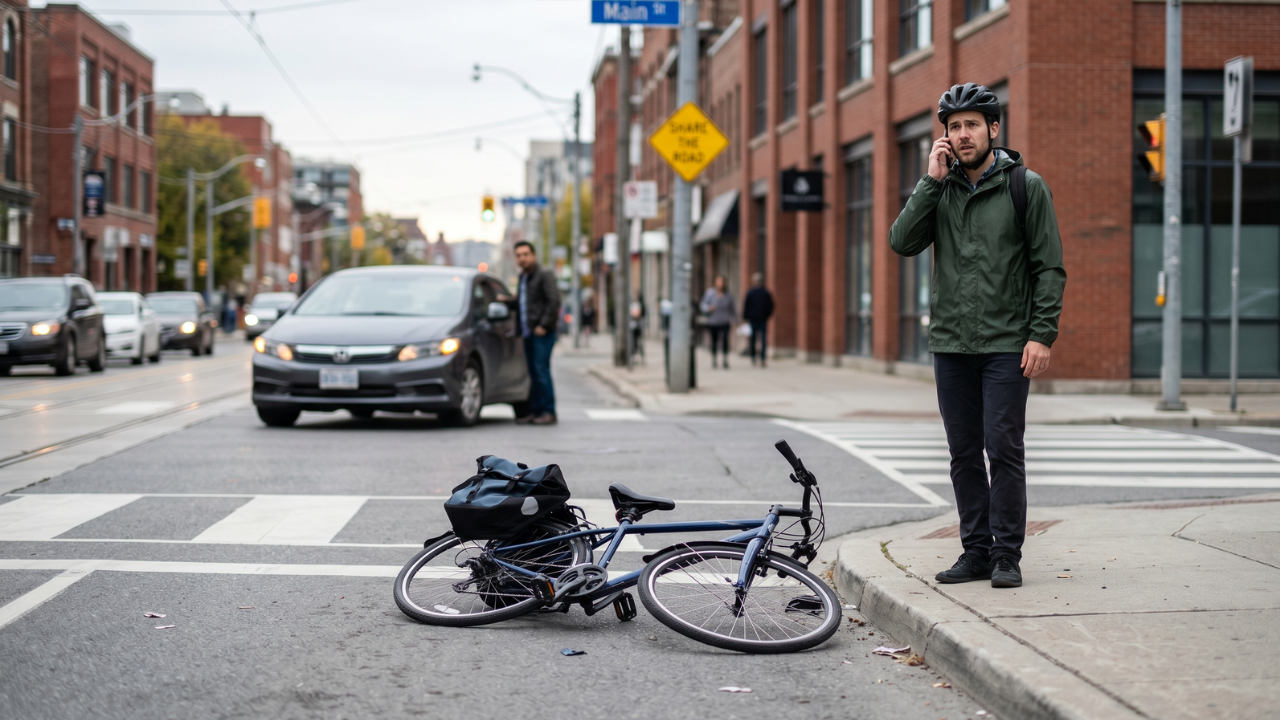
Bicycling is a healthy, affordable, and environmentally friendly way to travel, but cyclists are also among the most vulnerable people on the road. Unlike people inside cars and trucks, cyclists do not have a metal frame, airbags, or seat belts protecting them during a crash. A single careless turn, sudden door opening, or failure to yield can cause painful injuries, expensive medical bills, lost income, and long-term stress.
If you were injured while riding a bicycle, understanding how the crash happened can help you understand your rights. The cause of the accident often affects who may be responsible, what evidence matters, and what compensation may be available. This article explains the most common causes of bicycle accidents and what they may mean for an injured cyclist.
For related local legal information, you can review Almawadahit.com resources such as bicycle accident lawyer and personal injury lawyer pages when they are available on your site.
Why Bicycle Accident Causes Matter
In a bicycle accident claim, the central question is usually whether someone acted negligently. Negligence can mean a driver failed to pay attention, violated a traffic law, drove too fast for conditions, opened a car door without checking, or created another unsafe situation. It can also involve unsafe property conditions, poor road maintenance, or defective bicycle parts.
Identifying the cause matters because it helps show fault. It can also guide the type of evidence needed, such as police reports, photos, video footage, witness statements, vehicle damage, road condition records, medical records, or expert opinions. The stronger the evidence connecting the accident to someone else’s careless action, the stronger a cyclist’s claim may be.
1. Distracted Driving
Distracted driving is one of the most common reasons cyclists are hit by vehicles. A driver who is texting, checking a phone, adjusting navigation, eating, talking to passengers, or looking away from the road may not notice a cyclist until it is too late.
For a cyclist, even a moment of driver inattention can be dangerous. Distracted drivers may drift into bike lanes, fail to stop at intersections, turn across a cyclist’s path, or strike a cyclist from behind. If a distracted driver caused the crash, phone records, dashcam footage, witness statements, and traffic camera footage may help prove what happened.
2. Failure to Yield at Intersections
Intersections are high-risk areas because drivers, cyclists, and pedestrians often cross paths at the same time. A driver may fail to yield while turning left, turning right, entering a main road, or rolling through a stop sign. These mistakes can lead to serious side-impact or front-impact crashes.
When a driver fails to yield, the legal issue is often whether the cyclist had the right of way. If the cyclist was riding lawfully and the driver ignored traffic rules, the driver may be responsible for the cyclist’s injuries and losses.
3. Dooring Accidents
A dooring accident happens when a driver or passenger opens a parked car door into the path of a cyclist. The cyclist may hit the door directly or swerve into traffic to avoid it. These accidents often happen in busy city areas where parking lanes sit next to bike lanes or narrow travel lanes.
Dooring cases can be especially serious because the cyclist has little time to react. In many situations, the person opening the door may be at fault for failing to check mirrors and blind spots before opening the vehicle door.
4. Unsafe Passing and Lane Changes
Drivers must give cyclists enough space when passing. Unsafe passing can cause sideswipe crashes, force cyclists off the road, or push them into parked cars, curbs, or debris. Lane-change accidents may happen when a driver fails to check blind spots or assumes the cyclist will move out of the way.
If a driver passed too closely or changed lanes without checking, the driver may be liable. Evidence such as vehicle positioning, paint transfer, road markings, and witness statements can help show whether the driver created an unsafe situation.
5. Speeding and Aggressive Driving
Speeding makes bicycle accidents more severe because a driver has less time to react and a cyclist faces a harder impact. Aggressive driving, tailgating, honking, sudden braking, or trying to intimidate cyclists can also increase crash risk.
When speeding contributes to a bicycle accident, it may support a negligence claim. Speed can also affect the value of a claim because higher-impact crashes often lead to more serious injuries, longer recovery times, and greater financial losses.
6. Impaired Driving
Driving under the influence of alcohol or drugs can reduce reaction time, judgment, coordination, and awareness. An impaired driver may fail to notice a cyclist, misjudge distance, drift out of a lane, or run a red light.
If an impaired driver caused a bicycle accident, the injured cyclist may have a strong claim for damages. Police reports, breath or blood test results, citations, and criminal case records may become important evidence in the injury claim.
7. Poor Road Conditions
Not every bicycle accident is caused by a driver. Potholes, broken pavement, loose gravel, uneven shoulders, missing signs, poor drainage, construction debris, and badly designed bike lanes can all cause cyclists to crash. These hazards can be especially dangerous when they appear suddenly or are difficult to see at night.
When poor road conditions cause a crash, liability may depend on who controlled or maintained the road. A city, county, contractor, private property owner, or other party may be responsible in some cases. These claims often have strict notice deadlines, so it is important to act quickly.
8. Defective Bicycle Parts
Some bicycle crashes happen because of equipment failure. Defective brakes, tire blowouts, broken handlebars, faulty frames, loose pedals, or malfunctioning e-bike components can cause a rider to lose control. In these cases, the issue may involve product liability rather than driver negligence.
If a defective part may have contributed to the accident, the bicycle should be preserved instead of repaired or discarded. The damaged bike, receipts, repair history, product labels, and photos can help determine whether a manufacturer, distributor, or repair shop may be responsible.
9. Low Visibility and Nighttime Riding
Many bicycle accidents happen when visibility is poor, including at night, during rain, in fog, or at dawn and dusk. Drivers may say they did not see the cyclist, but motorists still have a duty to watch for cyclists and drive safely for the conditions.
Visibility issues can also affect how insurance companies evaluate a claim. They may ask whether the cyclist used lights, reflectors, or bright clothing. Even if visibility was a factor, a cyclist may still have rights if a driver was speeding, distracted, impaired, or otherwise negligent.
10. Failure to Obey Traffic Laws
Traffic law violations by drivers are a frequent cause of bicycle accidents. Running red lights, ignoring stop signs, making illegal turns, blocking bike lanes, or failing to signal can all lead to crashes. Cyclists also have responsibilities, and insurance companies may try to argue that the cyclist shared fault.
Because fault can be disputed, it is important to collect evidence early. Photos of the scene, video footage, witness information, and a police report can help protect the injured cyclist’s side of the story.
What Bicycle Accidents Mean for Your Rights
If another person or company caused your bicycle accident through careless or unsafe conduct, you may have the right to seek compensation. The details depend on the laws in your location and the facts of the crash, but compensation may include medical bills, future treatment, lost wages, reduced earning ability, pain and suffering, property damage, rehabilitation, and other accident-related losses.
For more context about common bicycle accident scenarios, review the related resource and compare it with the specific facts of your accident.
A bicycle accident claim may involve a driver, vehicle owner, rideshare company, employer, government agency, contractor, product manufacturer, repair shop, or insurance company. In some cases, more than one party may share responsibility. That is why a full investigation is important.
Steps to Take After a Bicycle Accident
- Get medical care as soon as possible, even if the injury seems minor at first.
- Call the police and request an official accident report.
- Take photos of the bicycle, vehicle, road, traffic signs, skid marks, injuries, and weather conditions.
- Collect witness names and contact information.
- Do not admit fault or make detailed statements to insurance adjusters before understanding your rights.
- Keep medical bills, repair estimates, prescriptions, and proof of missed work.
- Speak with a legal professional if the injuries are serious, fault is disputed, or an insurance company is pressuring you to settle.
Can You Recover Compensation if You Were Partly at Fault?
In many places, a cyclist may still recover compensation even if they were partly responsible for the accident. However, the rules vary. Some jurisdictions reduce compensation based on the injured person’s percentage of fault, while others have stricter limits.
For example, if a cyclist did not have a front light at night but the driver was speeding and distracted, both sides may be examined. The final result can depend on local law, the available evidence, and how much each action contributed to the crash.
When to Contact a Lawyer
You should consider legal help if you suffered serious injuries, missed work, need ongoing medical treatment, or the insurance company is denying responsibility. A lawyer can investigate the crash, estimate damages, deal with insurance adjusters, and explain legal deadlines. To connect readers with your website, direct them to your contact page for more information.
Final Thoughts
Bicycle accidents can happen for many reasons, including distracted driving, failure to yield, dooring, unsafe passing, speeding, impaired driving, poor road conditions, defective bike parts, and low visibility. Each cause can affect who may be liable and what evidence is needed to protect your rights.
After a crash, focus on medical care, documentation, and early legal guidance. The more clearly you can show what caused the accident and how it affected your life, the better positioned you may be to pursue fair compensation.
Disclaimer
This article is for general informational purposes only and does not provide legal advice. Bicycle accident laws and deadlines vary by location. Readers should speak with a qualified legal professional about their specific situation.