Road emergencies can happen without warning. One minute the drive feels normal, and the next you may be dealing with a tire blowout, overheating engine, sudden loss of braking power, poor visibility, or a crash scene. The key is not to panic. A calm response can reduce the risk of injury, protect other road users, and help you document what happened if the incident later involves insurance or legal questions.
This guide explains six common road emergencies and the practical steps drivers should know before they happen. It is written for general information, not as legal or mechanical advice. Always follow local laws, your vehicle owner manual, and emergency instructions from police, fire, or medical responders.
1. Tire Blowout
A tire blowout can feel frightening because the vehicle may suddenly pull to one side and become harder to control. The worst reaction is to jerk the wheel or slam the brakes. Instead, keep both hands firmly on the steering wheel, stay in your lane as much as possible, and let the vehicle slow down gradually.
- Grip the steering wheel firmly and keep the vehicle pointed straight.
- Do not brake suddenly; ease off the accelerator and allow the car to slow.
- Turn on hazard lights once you can do so safely.
- Move to the shoulder only after the vehicle has slowed and traffic conditions allow it.
- Call roadside assistance if the location is unsafe or you are not comfortable changing the tire.
Prevention matters too. Check tire pressure when tires are cold, follow the pressure listed on the vehicle placard or owner manual, and inspect tread wear regularly. A well-maintained tire is less likely to fail at highway speed.
2. Brakes Stop Working
Few emergencies feel more serious than pressing the brake pedal and realizing the vehicle is not slowing down normally. If your brakes stop working, focus on reducing speed and warning other drivers.
- Stay calm and keep steering control.
- Take your foot off the accelerator immediately.
- Pump the brake pedal if your vehicle does not have a hard mechanical failure.
- Shift to a lower gear or neutral when appropriate to reduce engine power.
- Use the parking brake gradually and carefully; pulling it too hard can cause a skid.
- Turn on hazard lights and steer toward a safe open area, shoulder, or uphill path if available.
Once stopped, do not continue driving. Brake problems need professional inspection because the issue could involve brake fluid loss, worn components, overheating, or hydraulic failure.
3. Engine Overheating or Smoke
An overheating engine can lead to expensive damage and can also create a roadside safety risk. Warning signs may include a rising temperature gauge, dashboard warning light, steam from under the hood, a burning smell, or reduced engine performance.
- Turn off the air conditioning and reduce engine load.
- If safe, turn on the heater to help draw heat away from the engine.
- Pull over as soon as it is safe and turn off the engine.
- Do not open the radiator cap while the engine is hot; pressurized coolant can cause severe burns.
- Call a mechanic or towing service if you see steam, fluid leaks, or repeated overheating.
If smoke is heavy or there is a burning odor that suggests fire, move away from the vehicle and call emergency services. Personal safety is more important than saving the vehicle.
4. Hydroplaning, Skidding, or Sudden Bad Weather
Rain, standing water, ice, fog, dust, and sudden storms can quickly reduce control and visibility. Hydroplaning happens when the tires ride on water instead of gripping the road, while skidding may occur when tires lose traction during braking, turning, or acceleration.
- Ease off the accelerator instead of braking hard.
- Look and steer in the direction you want the vehicle to go.
- Avoid sudden steering, braking, or acceleration.
- Increase following distance and reduce speed before conditions become severe.
- If visibility is extremely poor, pull well off the road and use hazard lights only when safely stopped.
Bad weather is also a reminder to prepare before the trip. Check forecasts, wipers, lights, tires, and fuel level. If conditions are dangerous, delaying the trip may be the safest decision.
5. Vehicle Breakdown on a Busy Road
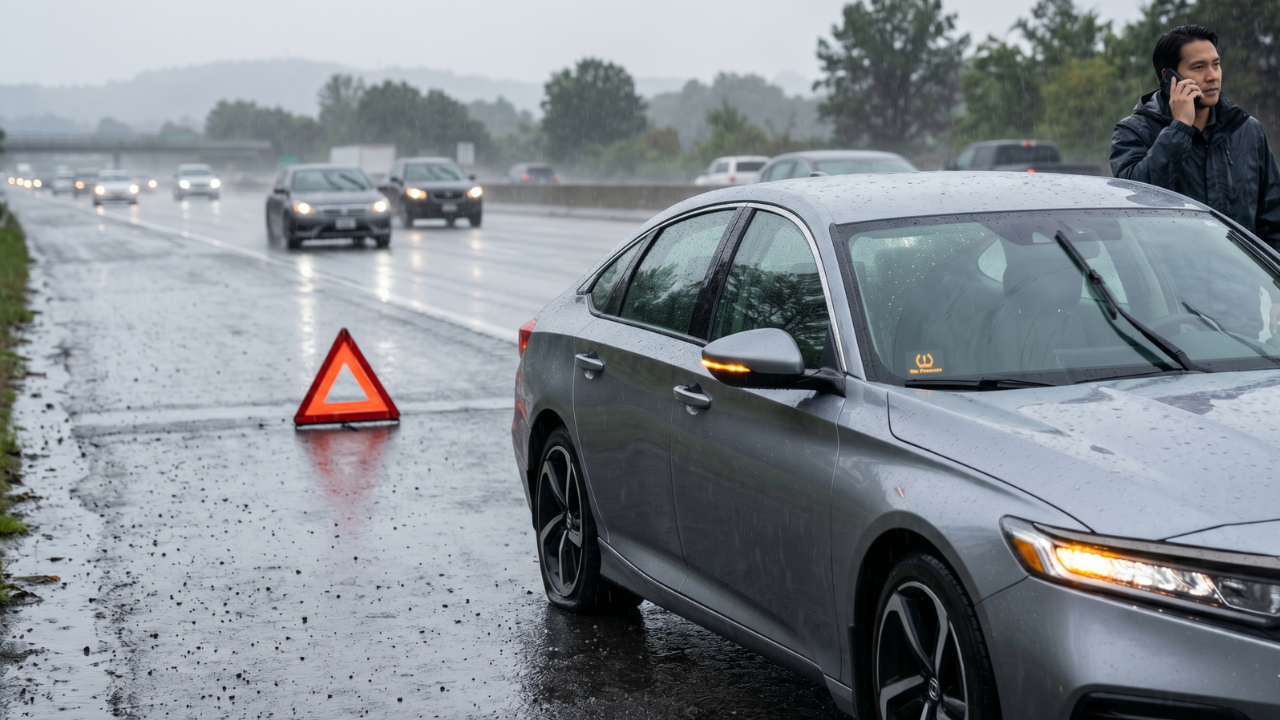
A stalled vehicle on a highway or busy road can become dangerous quickly, especially at night or around curves. Your first goal is to get visible and avoid standing in traffic lanes.
- Signal and move to the shoulder or another safe area if the vehicle can still roll.
- Turn on hazard lights immediately.
- If it is safer to stay inside, keep your seat belt on and call for help.
- Exit from the passenger side only if it is safe and move behind a barrier when possible.
- Place reflective triangles or cones only when you can do so without entering traffic.
- Call roadside assistance, a tow service, or emergency services depending on the risk level.
Drivers approaching a stopped vehicle should slow down and move over where the law and traffic conditions allow. Many states have move-over rules designed to protect emergency responders, roadside workers, and disabled vehicles with flashing lights.
6. Crash Scene, Injury, or Motorcycle Accident
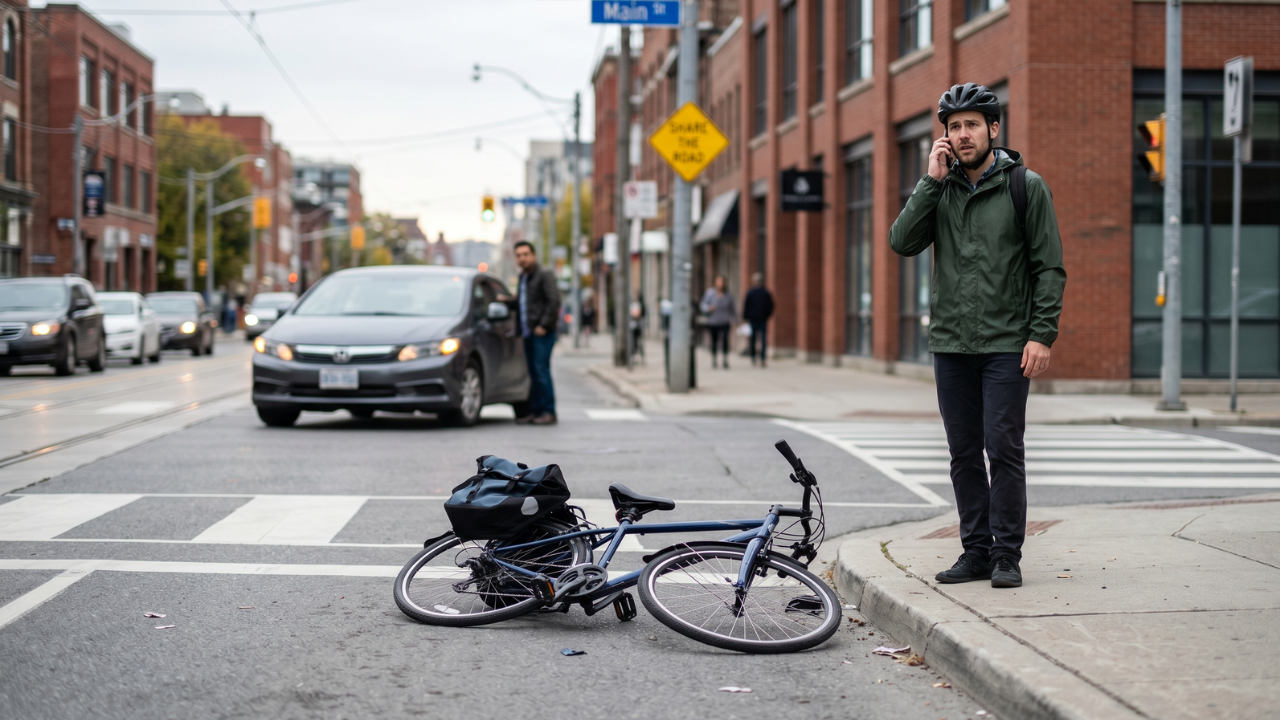
If you are involved in a crash or come across one, the situation needs careful handling. Check for injuries, call emergency services, and avoid creating another hazard. Motorcycle crashes can be especially serious because riders have less physical protection than people inside passenger vehicles.
- Move to a safe place if the vehicle is drivable and local law allows it.
- Call emergency services if anyone is hurt, traffic is blocked, fuel is leaking, or the scene is unsafe.
- Do not move an injured person unless there is an immediate danger such as fire or traffic exposure.
- Exchange information with other parties and collect witness details when possible.
- Take photos of vehicle positions, road conditions, traffic signs, damage, and visible injuries.
- Seek medical attention, even if symptoms seem minor at first.
After a serious collision, people often need medical, insurance, and legal guidance. If a motorcycle rider is injured, getting legal help after motorcycle accident may help them understand deadlines, evidence, liability issues, and possible compensation options.
What to Keep in Your Road Emergency Kit
Preparation makes most emergencies easier to handle. A basic road emergency kit does not need to be expensive, but it should cover visibility, communication, minor repairs, and personal safety.
- Reflective warning triangles or road flares where legal.
- Flashlight with extra batteries.
- Phone charger or power bank.
- First-aid kit.
- Jumper cables or a portable jump starter.
- Tire pressure gauge and portable inflator.
- Basic tools, gloves, and a safety vest.
- Water, non-perishable snacks, and a blanket for long trips.
- A printed copy of insurance, registration, and roadside assistance details.
How Road Emergencies Affect Responsibility and Insurance
A road emergency does not always mean someone is legally at fault, but the details matter. For example, a tire blowout may be unavoidable in some cases, while a crash caused by ignored maintenance, distracted driving, speeding, or unsafe lane changes may raise questions about negligence.
After any serious incident, keep records of the police report, repair estimate, medical care, photos, witness information, towing receipts, and insurance communication. These details can help explain what happened and may protect your position if a dispute arises.
For more general posts, visit the Almawadahit.com or contact the site through the Contact us if you want to suggest related safety topics.
Final Thoughts
Road emergencies are stressful, but knowing what to do can help you respond with confidence. Whether the issue is a blowout, brake failure, overheating engine, bad-weather skid, roadside breakdown, or crash scene, the safest response usually starts with staying calm, controlling the vehicle, increasing visibility, and calling for help when needed. The best time to prepare is before the emergency happens. Keep your vehicle maintained, carry essential safety supplies, review your owner manual, and talk with qualified professionals when a mechanical, medical, insurance, or legal issue is involved.