
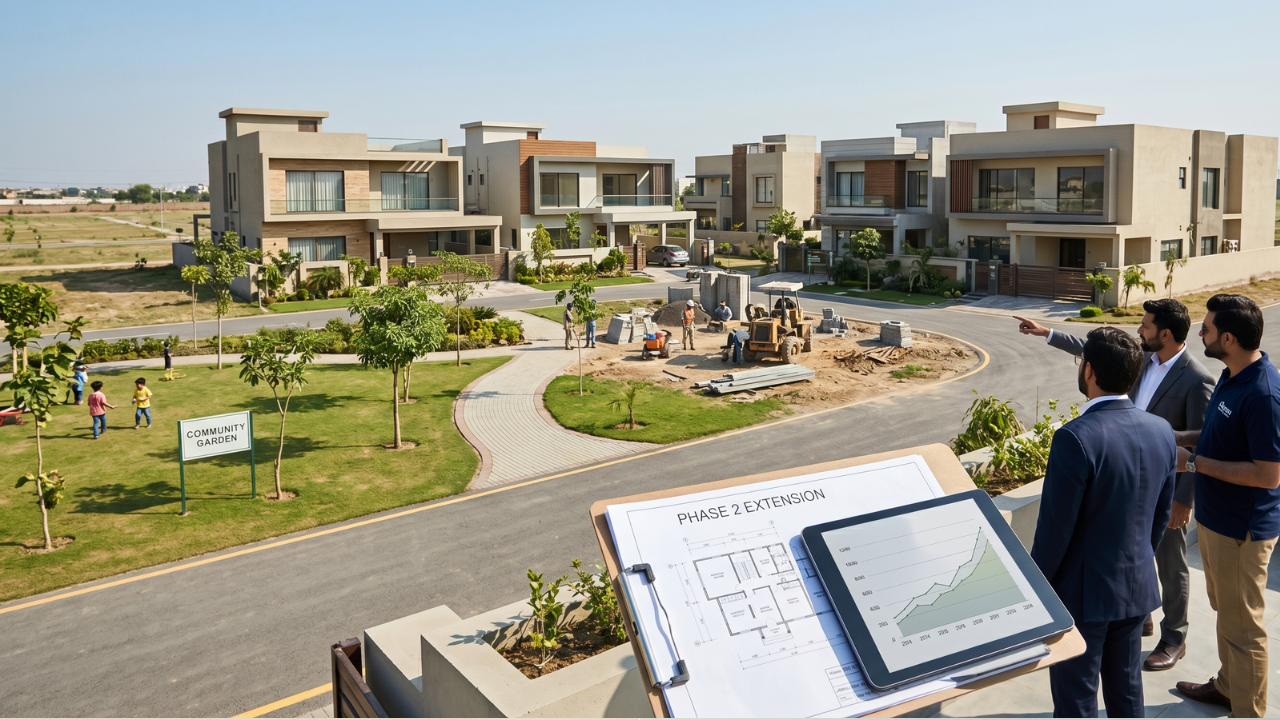
Housing development projects have always played an important role in real estate investment, but in 2026 they are getting even more attention from long-term investors. The reason is simple: people need places to live, communities need new supply, and well-planned residential projects can create value over many years rather than only during one market cycle.
Unlike short-term property speculation, housing development focuses on creating a real asset. Land, planning, design, construction, infrastructure, and community demand all work together to shape future value. When these pieces are managed carefully, a project can support capital growth, rental income, resale opportunities, and stronger neighborhood appeal.
For readers following broader property and money topics, Almawadahit.com also shares useful finance articles and real estate-related insights that can help investors think more strategically before making major decisions.
Why Housing Development Can Support Long-Term Growth
The strongest reason housing development projects can become long-term investment assets is demand. Population shifts, household formation, employment centers, lifestyle changes, and limited housing supply can all create pressure for more homes. In many markets, the issue is not whether people need housing, but whether enough suitable homes are available in the right locations and price ranges.
Research from housing and real estate organizations continues to highlight the importance of supply. Fannie Mae has noted that housing shortages are often local in nature, meaning every city needs its own strategy to create and preserve housing stock. That point matters for investors because a project in a well-researched location may benefit from demand that is tied to real community need rather than temporary hype.
This is why thoughtful development can create durable value. A project that provides quality homes near jobs, schools, transportation, healthcare, and daily services may remain useful for decades. The asset is not only a building; it is a response to a practical housing need.
How Housing Development Projects Generate Investor Value
Long-term value in housing development usually comes from several connected channels. Investors should understand these before entering a project, because each channel carries different risks, timelines, and potential returns.
1. Land Appreciation
Land can become more valuable when infrastructure improves, zoning changes, nearby amenities grow, or population demand increases. A development project may benefit from buying land before an area fully matures and then adding value through planning, approvals, utilities, roads, and construction.
However, land appreciation is not automatic. It depends on location quality, market demand, local regulations, and project execution. This is why due diligence is essential before committing capital.
2. Construction Value Creation
A raw parcel or underused site often has limited immediate value. When that land is converted into finished homes, townhouses, apartments, or mixed residential units, the development process can create a higher-value asset. The gain comes from design, permits, construction management, and the ability to deliver housing that buyers or renters actually want.
The best projects are not built around guesswork. They are guided by feasibility studies, cost estimates, local demand research, and realistic timelines.
3. Rental Income Potential
Not every housing project is built only for resale. Some investors choose build-to-rent communities, multifamily rentals, or mixed models where part of the project is sold and part is retained for income. Rental income can help stabilize long-term returns, especially in areas where demand for flexible housing is strong.
Rental-focused projects must consider operating costs, maintenance, property management, local rent levels, vacancy rates, insurance, taxes, and financing terms. A strong rent roll can support cash flow, but weak management can reduce returns quickly.
4. Community and Infrastructure Value
Housing development is closely connected to the surrounding community. Roads, utilities, walkways, parking, parks, retail access, schools, and public services can all influence value. Projects that create a better living environment may attract buyers and renters faster than projects that only focus on unit count.
This is also where a professional housing developer can make a difference by coordinating design, approvals, contractor selection, and long-term project planning.
Why 2026 Investors Are Looking Closely at Housing
The 2026 real estate environment is not simple. Higher financing costs, selective lending, construction costs, and local approval delays can challenge developers. At the same time, long-term demand for quality housing remains a major theme in many markets.
PwC and the Urban Land Institute reported that the 2026 real estate industry is being shaped by economic change, demographic shifts, and technology. Their outlook also points to a renewed focus on fundamentals, data-driven decisions, and long-term strategy. For housing projects, that means investors should avoid emotional buying and instead focus on location, demand, cost control, and delivery quality.
In practical terms, 2026 may reward investors who are patient, well-capitalized, and selective. The goal is not simply to enter any development project. The goal is to choose projects with clear demand, realistic financial assumptions, and professional execution.
Key Factors That Make a Housing Development Project Attractive
Before investing, buyers and partners should look beyond glossy brochures. A strong housing development project usually has several fundamentals in place.
- A location with real demand from families, workers, students, retirees, or renters.
- Clear zoning, permits, and planning approvals, or a realistic path to obtain them.
- A detailed budget that accounts for construction, financing, professional fees, contingency, and delays.
- Experienced project managers, architects, engineers, contractors, and sales or leasing teams.
- Access to transportation, employment areas, schools, healthcare, shopping, and daily services.
- A product type that matches the local market, such as affordable homes, townhouses, apartments, or senior-friendly housing.
- Exit options, including sale, rental, refinancing, or phased development.
Investors researching wider market strategy can also review Almawadahit.com business insights for related decision-making and market research topics.
The Role of Location in Long-Term Investment Growth
Location remains one of the most important factors in real estate. A lower-cost project in a weak location may underperform, while a carefully chosen site near growth drivers can become stronger over time. Growth drivers may include new transportation routes, business districts, universities, hospitals, industrial zones, tourism corridors, and planned public infrastructure.
Investors should study local employment trends, population growth, vacancy rates, household income, competing supply, and future development plans. A project should make sense based on numbers, not just future hope.
It is also wise to consider lifestyle trends. Buyers and renters increasingly value comfort, energy efficiency, outdoor space, walkability, parking, flexible rooms, and reliable internet access. Housing projects that respond to these preferences may have a better chance of holding value.
Risk Factors Investors Should Not Ignore
Housing development can be rewarding, but it is not risk-free. Investors should understand the risks before expecting long-term growth.
- Approval delays can slow down a project and increase carrying costs.
- Construction prices can rise because of labor shortages, material costs, or supply chain issues.
- Financing terms can change if interest rates move or lenders become more cautious.
- Market demand can shift if employment slows or competing projects enter the area.
- Poor design or weak construction quality can reduce buyer confidence and resale value.
- Legal, environmental, or title issues can create unexpected costs.
Good projects plan for these risks. They include contingency budgets, legal review, professional inspections, market research, and clear communication between investors and project teams.
For homeowners and property-focused readers, Almawadahit.com also has home improvement ideas that connect well with long-term property value and maintenance decisions.
Phased Development and Long-Term Strategy
One advantage of larger housing development projects is the ability to build in phases. Instead of delivering every unit at once, developers may complete the project in stages. This can help manage cash flow, test market demand, adjust pricing, and reduce risk.
For example, an investor group may start with a smaller section of townhouses, then expand into apartments, community amenities, or additional lots once demand is proven. Phased development can also help the project respond to changes in buyer preferences or financing conditions.
This approach requires patience. The strongest long-term returns often come from disciplined execution rather than rushing construction or selling too early.
How Housing Development Supports Passive and Semi-Passive Income
Housing development can also support passive or semi-passive income when a completed project is held as a rental asset. Investors may participate directly, partner with experienced operators, or invest through structured vehicles, depending on their resources and risk tolerance.
The income side must be studied carefully. Rental demand, management fees, maintenance reserves, insurance, taxes, and debt payments all affect the final return. A project with strong appreciation but weak cash flow may not suit every investor.
Readers interested in property-based income ideas can also visit Almawadahit.com’s guide on building passive income by tapping home equity for a related perspective on real estate wealth planning.
Due Diligence Checklist Before Investing
Before investing in a housing development project, consider using a simple due diligence checklist:
- Who owns the land, and is the title clean?
- Are zoning and development permissions already approved?
- What is the full project budget, including contingencies?
- Who is the developer, and what is their track record?
- What is the expected timeline for permits, construction, sales, or leasing?
- What comparable projects exist nearby, and how have they performed?
- What are the best-case, base-case, and downside financial projections?
- What happens if the project is delayed or costs rise?
- Is there a clear exit strategy?
This checklist does not replace professional advice, but it helps investors ask better questions before committing money.
Why Professional Guidance Matters
Housing development involves law, finance, construction, design, planning, and market analysis. A small mistake in one area can affect the entire project. For that reason, investors should work with qualified professionals, including real estate attorneys, accountants, surveyors, engineers, architects, brokers, and financial advisors.
Professional guidance is especially important when the project involves multiple investors, joint ventures, bank financing, government approvals, or rental operations. Clear contracts and transparent reporting can protect both the project and the people involved.
Final Thoughts
Long-term investment growth with housing development projects is possible when real demand, strong planning, professional execution, and patient capital come together. Housing is not only a financial asset; it is a basic human need and a foundation for community growth.
In 2026, investors should be selective. The best opportunities are likely to be projects that solve a real housing problem, use realistic financial assumptions, and offer clear long-term value. Whether the goal is resale profit, rental income, community development, or portfolio diversification, housing development can be a powerful strategy when approached with discipline. To explore more articles and updates, visit the Almawadahit.com home page or contact the team through the Contact Almawadahit page.