
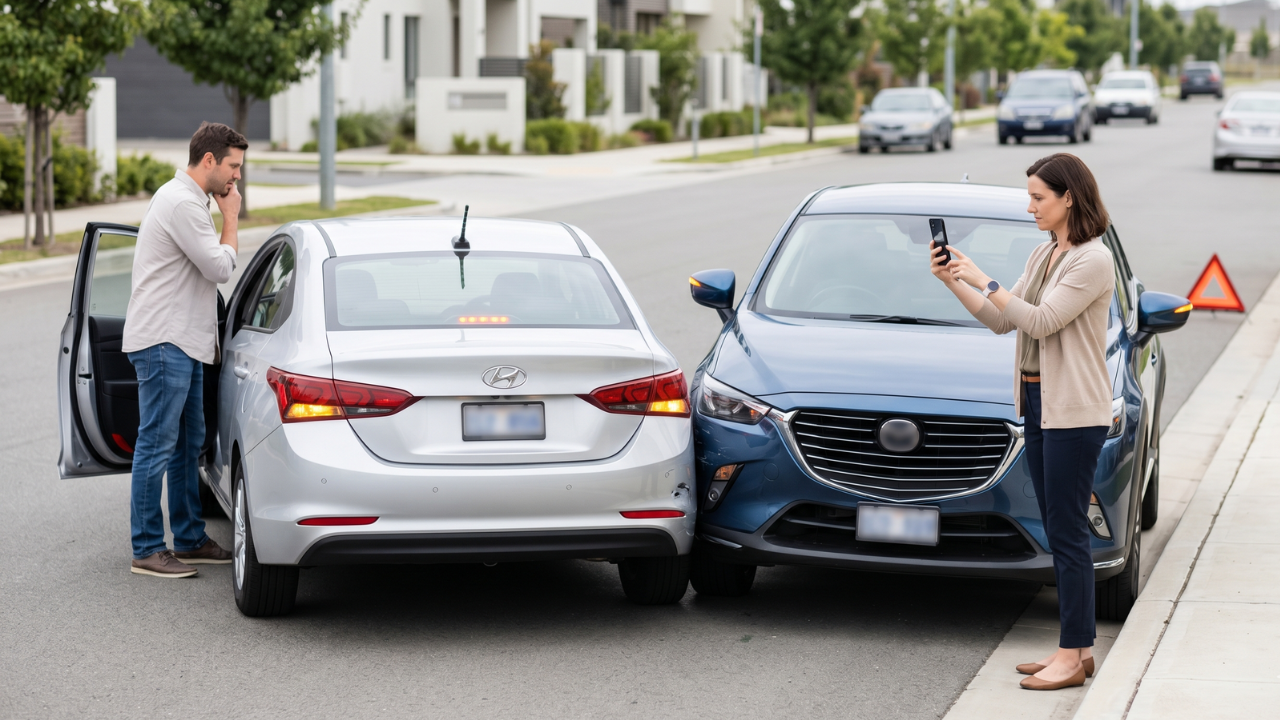
A minor collision can feel harmless at first. The vehicles may still be drivable, no one may appear seriously hurt, and the damage might look like a simple scratch, dent, or bumper mark. However, small crashes can still create repair costs, insurance questions, delayed symptoms, and confusion about who is responsible. That is why drivers should treat even a fender bender carefully and avoid quick decisions that may create bigger problems later. For more general guides and updates, visit Almawadahit.com.
This article explains the most common mistakes drivers make after a minor collision and why each one matters. It is written for general information only and should not replace legal, insurance, medical, or professional repair advice for your specific situation.
1. Assuming a Minor Collision Does Not Matter
One of the biggest mistakes is assuming that a low-speed impact is too small to document. Even when damage looks limited, hidden issues may appear later. A bumper cover can hide structural clips, sensors, brackets, paint damage, alignment issues, or damage to modern driver-assistance systems. In the same way, soreness, headaches, or soft-tissue pain may not appear immediately after the shock of a crash.
Instead of driving away too quickly, take a few minutes to slow down, check everyone involved, and collect basic information. A careful record can help if the other driver changes their story, if a repair estimate is higher than expected, or if an insurer asks for proof of what happened.
2. Failing to Move to a Safe Place
After a collision, safety comes before paperwork. Drivers sometimes stop in the middle of traffic to argue, inspect damage, or take photos. This can place everyone at risk of a second crash. If the vehicles are drivable and local law allows it, move to a safe shoulder, nearby parking lot, or side street before continuing the discussion.
Turn on hazard lights, stay visible, and remain aware of traffic. If a vehicle cannot be moved, stay as safe as possible and call for help. When emergency vehicles, tow trucks, or disabled vehicles are stopped on or near a roadway, drivers approaching them may be required to move over or slow down depending on state law. Roadside safety is part of protecting yourself after the initial impact.
3. Not Calling the Police or Filing a Report When Needed
Some drivers avoid calling the police because they think the accident is too small, they are in a hurry, or the other driver promises to pay privately. Reporting rules vary by location, but a police report or official incident record can be useful later. It may help document the date, location, drivers involved, vehicle positions, and basic facts of the crash.
If police do not come to the scene for a minor collision, ask whether you can file a report online or at a local station. This is especially important if the other driver does not have insurance, refuses to share information, appears impaired, leaves the scene, or later disputes what happened.
4. Forgetting to Exchange Complete Information
A quick phone number is not enough after a collision. Drivers should exchange names, contact details, license plate numbers, insurance company names, policy details, driver license information when appropriate, and vehicle descriptions. If there are witnesses, ask for their names and contact details as well.
Avoid handing over more personal information than necessary, and do not let emotions control the exchange. Keep the conversation calm and factual. If the other driver refuses to cooperate, document what you can and contact the appropriate authorities or your insurer for guidance.
5. Admitting Fault at the Scene
It is natural to say “sorry” after a stressful event, but drivers should avoid making statements that sound like an admission of fault. You may not know all the facts yet. Weather, road markings, traffic signals, witness accounts, camera footage, and vehicle positions may all matter. Even if you believe you made a mistake, legal and insurance responsibility is usually determined after an investigation.
The best approach is to be polite, check for injuries, exchange information, and describe only what you know. For example, “I was traveling in the right lane” is more helpful than “This was definitely my fault.”
6. Skipping Photos and Scene Documentation
Photos are one of the strongest tools a driver has after a minor collision. Take clear pictures of vehicle damage from multiple angles, license plates, vehicle positions, road signs, traffic signals, lane markings, skid marks, weather conditions, debris, and any visible injuries. If it is safe, take a wider photo that shows the whole scene.
Also write down the time, exact location, direction of travel, and a short summary of what happened while your memory is fresh. If you later need to explain the collision to an insurance adjuster, repair shop, or legal professional, these notes can make the process much easier.
7. Delaying the Insurance Notification
Some drivers wait days or weeks before contacting their insurer, especially if they believe the other driver will pay out of pocket. This can cause problems. Insurance policies often include reporting requirements, and delayed reporting can make it harder to verify damage, confirm facts, or start the claim process.
Even if you are unsure whether to file a claim, it is often wise to contact your insurer and ask what your policy requires. You can also ask about deductibles, approved repair options, rental coverage, and whether the damage should be inspected before repairs begin.
8. Accepting a Cash Settlement Too Quickly
A driver may offer cash at the scene to avoid insurance involvement. While that may sound simple, it can be risky. The visible damage may be only part of the repair cost, and a quick agreement may not account for hidden damage, sensor recalibration, paint blending, rental car needs, or later-discovered injuries.
Before accepting any private payment, get a professional estimate and understand your insurance obligations. Cosmetic damage may involve more than simple panel and paint. Modern vehicles often include cameras, parking sensors, and advanced safety features that may need inspection after even a small impact.
9. Choosing Repairs Without Checking the Process
After a minor collision, many drivers focus only on the lowest quote or the fastest appointment. That can be a mistake. A quality repair should consider parts, paint matching, calibration, warranty, written estimates, and documentation for the insurer. If the vehicle is leased, financed, or under warranty, repair choices may matter even more.
Ask whether the repair shop provides a written estimate, before-and-after photos, warranty information, and clear communication with the insurer. Drivers comparing car insurance repairs. should also confirm whether the insurer requires an inspection, preferred shop, or specific documentation before work begins.
10. Ignoring Possible Injuries
Minor collisions can still cause neck pain, back pain, headaches, dizziness, anxiety, or soreness that appears later. Some people feel fine at the scene because adrenaline is high. If you notice symptoms after a crash, seek medical attention and keep records of visits, recommendations, prescriptions, and follow-up care.
Do not exaggerate injuries, but do not ignore them either. Health should always come before convenience, and proper medical documentation may also be important if you later need to explain accident-related expenses.
11. Posting About the Accident Online
Another common mistake is sharing photos, jokes, anger, or opinions about the crash on social media. Posts can be taken out of context and may create unnecessary complications. Even a casual comment such as “I am fine” may not reflect how you feel later, but it can still be misunderstood.
Keep accident details private and communicate with your insurer, repair provider, and any professional advisor directly. If you need to ask a question or share feedback about content on the website, you can use the Almawadahit contact page.
What Drivers Should Do Instead
A minor collision is easier to handle when you follow a simple process: check for injuries, move to safety when possible, call the police or file a report when appropriate, exchange complete information, take photos, notify your insurer, get a professional repair estimate, and keep all records in one place.
It also helps to create a small accident checklist in your phone. Include your insurance details, emergency contacts, roadside assistance number, and steps to follow after a crash. Preparation can reduce stress when you need to think clearly.
Why Good Documentation Protects You
Documentation is not about making the situation complicated. It is about protecting the facts. A minor collision can become stressful when the other driver disputes responsibility, hidden damage appears, repair costs increase, or an insurer asks for more information. Photos, notes, witness details, and reports help create a timeline that is easier to understand.
Good documentation can also help you compare repair options, support an insurance claim, and avoid relying only on memory. For more helpful articles, explore the Almawadahit Blog.
Final Thoughts
A minor collision may not feel serious in the moment, but the choices you make afterward can affect safety, repairs, insurance, and peace of mind. The biggest mistakes drivers make are usually simple: leaving too quickly, skipping photos, admitting fault, delaying insurance communication, or accepting a fast settlement without understanding the full damage.
By staying calm, documenting the scene, getting the right information, and following the proper reporting and repair process, you can handle a minor collision with more confidence and fewer surprises.
FAQs About Minor Collisions
Should I report a minor collision to my insurance company?
In many cases, yes. Your policy may require prompt notification, and your insurer can explain what documents, photos, or estimates may be needed. Reporting requirements vary, so check your policy and local rules.
Do I need a police report for a small fender bender?
It depends on local law, the damage amount, injuries, and the details of the crash. Even when police do not respond to the scene, you may be able to file a report later, which can help document the incident.
What photos should I take after a minor collision?
Take photos of both vehicles, damage close-ups, license plates, the full accident scene, road signs, lane markings, traffic signals, weather conditions, and any visible debris or hazards. Only take photos when it is safe to do so.